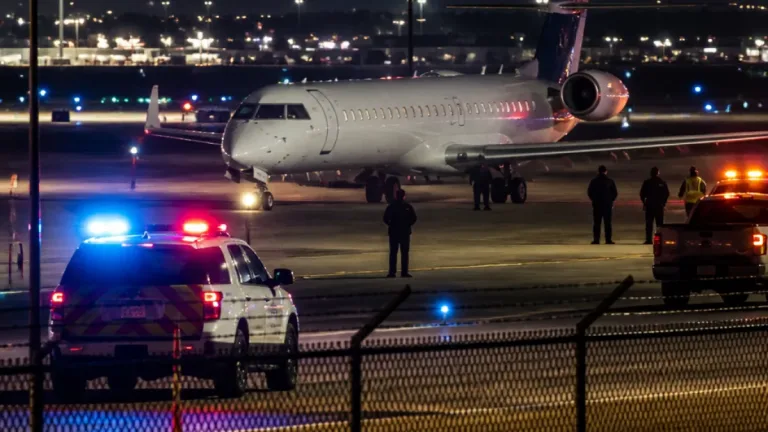
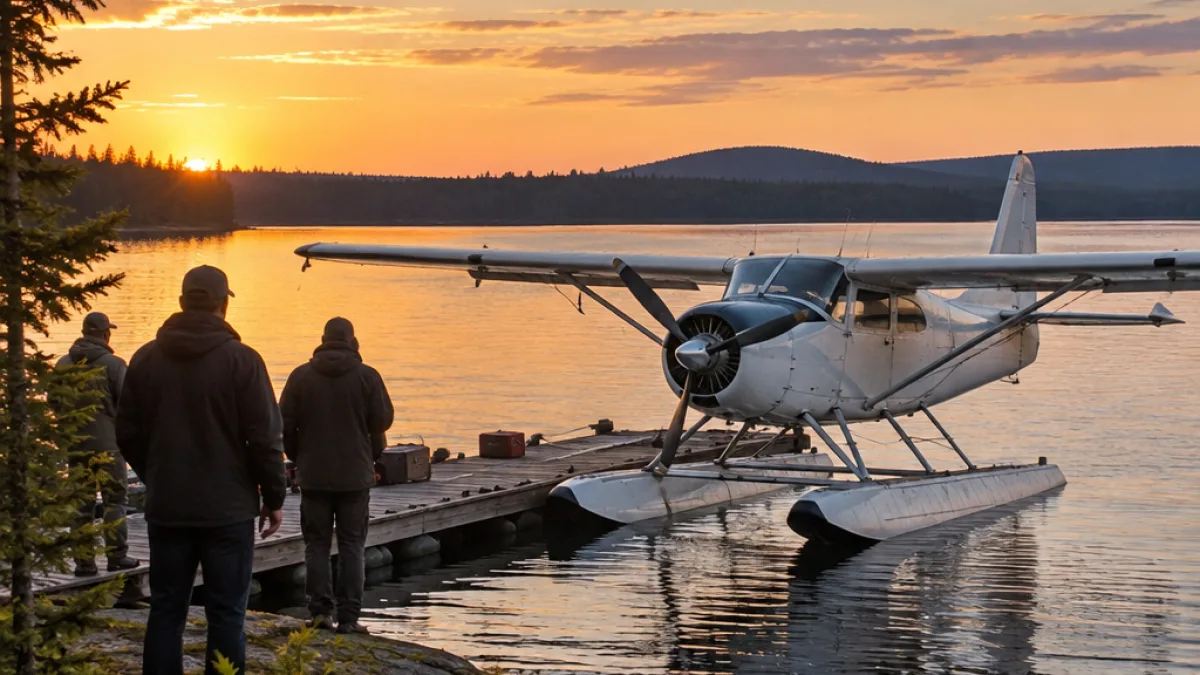
A new report into the fatal crash of a float plane in northern Manitoba has raised concerns about aircraft weight balance and fuel storage, after four passengers died and the pilot was seriously injured on 13 September 2025.
The Transportation Safety Board of Canada released its report on Thursday following the accident near Makepeace Lake. The aircraft, a single-engine 1959-built De Havilland Canada Beaver, was carrying passengers from St. Theresa Point First Nation on a planned hunting trip.
According to the investigation, the pilot made two attempts to depart in the float plane before returning to the dock. A passenger who was anxious about flying asked the pilot to turn back on both occasions. The flight was then called off for the day, but the passengers contacted the operator again several hours later to say they wanted to proceed.
Aircraft crashed before reaching the lake
The Beaver eventually departed in clear skies and calm weather and initially flew smoothly towards Makepeace Lake. Rather than landing on the water, the report says, it followed the lake’s north shore before descending into forest and catching fire.
The Transportation Safety Board of Canada said the aircraft’s centre of gravity might have been farther back than permitted. The report also identified concerns relating to the way fuel was stored. The findings place the focus on the aircraft’s loading and configuration as part of the investigation; they do not establish a cause beyond the conclusions set out by the safety board.
| Accident detail | Information reported |
|---|---|
| Aircraft | 1959-built De Havilland Canada Beaver |
| Location | Near Makepeace Lake, northern Manitoba |
| Date | 13 September 2025 |
| Occupants | Four passengers and one pilot |
| Outcome | Four passengers killed; pilot seriously injured |
Four passengers died
The four passengers were from St. Theresa Point First Nation. They comprised two men, aged 53 and 49, and two women who were both 50. All four died in the crash. The 20-year-old pilot suffered serious but non-life-threatening injuries.
The accident occurred about 40 kilometres south of the northeastern Manitoba community. The report’s account describes a flight that proceeded after two earlier take-off attempts had been abandoned, with the aircraft later travelling towards its intended destination before crashing in forest near the lake.
- The safety board identified possible rearward displacement of the aircraft’s centre of gravity.
- The report also raised concerns about fuel storage.
- Four passengers died and the pilot sustained serious, non-life-threatening injuries.
The findings provide the latest official account of the accident and its operational circumstances. The report was issued more than a year after the crash, following the Transportation Safety Board of Canada’s investigation into the aircraft, its loading and the sequence of events before the impact.