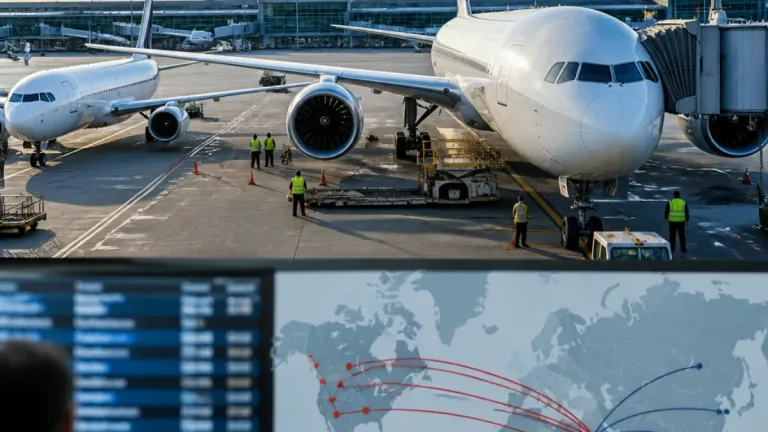
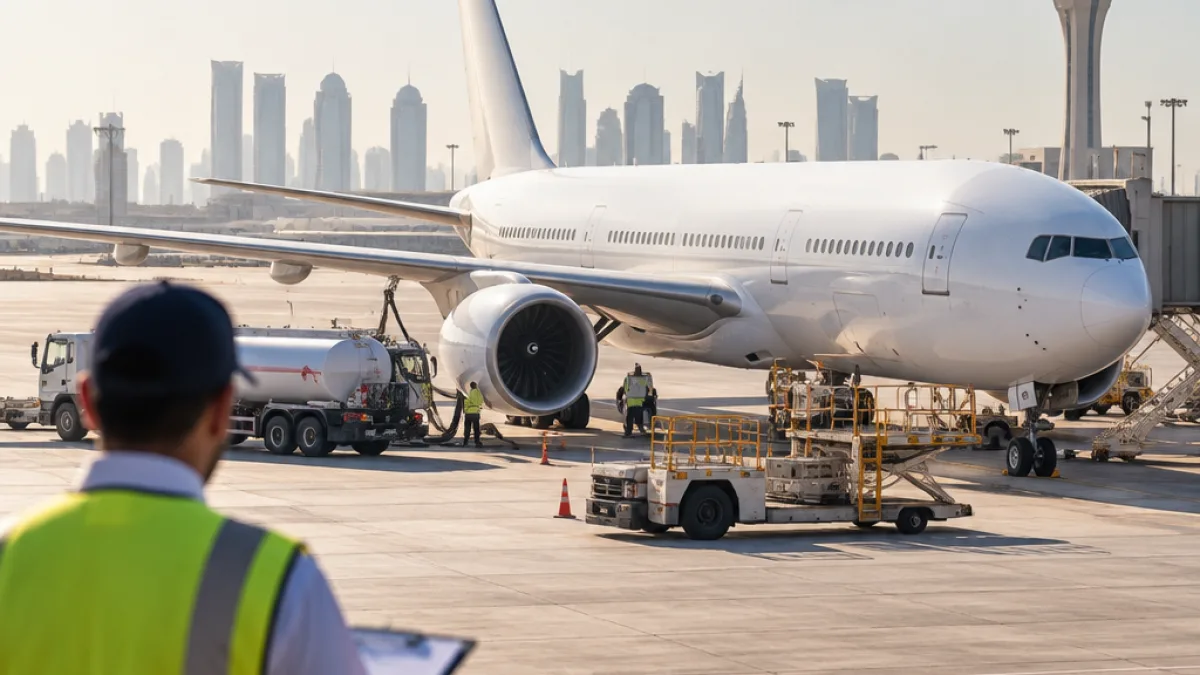
Emirates’ profit before tax fell 68% year on year to AED3.7 billion for the six months ended 30 September 2026, as higher fuel costs and disruption to international flying reduced the Dubai-based airline’s earnings.
Revenue declined 13% to AED56.9 billion during the first half of its 2026 financial year, compared with AED65.6 billion in the corresponding period a year earlier. Net profit after tax dropped 66% to AED3.3 billion, from AED9.6 billion.
Fuel becomes the main cost pressure
Emirates President Tim Clark attributed the pressure on profitability primarily to fuel rather than a lack of passenger demand. Fuel expenditure before hedging increased 60%, even though the airline used 12% less fuel as its flight activity reduced. Fuel accounted for 34% of operating expenses in the six months to 30 September.
“It's fuel, not people. We're filling the airplanes,” — Tim Clark, President of Emirates, told Reuters in Dubai
The airline’s hedging strategy generated gains of AED7.1 billion. After those gains, the net increase in fuel expenses was 13%. Total operating expenses declined by 2% during the period, but the reduction was not sufficient to prevent the fall in operating profit and net earnings.
Disruption reduces traffic and capacity
Emirates carried 21.8 million passengers between April and September 2026, a 22% decrease compared with the same period a year earlier. Military activity across the Gulf disrupted commercial aviation during the period, resulting in cancellations, route changes and reduced schedules.
The decline in traffic was accompanied by a 17% reduction in available seat kilometres and a 25% fall in revenue passenger kilometres. The passenger seat factor consequently dropped to 72%, from 79.5% in the first half of the previous year.
| Measure | Six months to 30 September 2026 | Year-on-year comparison |
|---|---|---|
| Profit before tax | AED3.7 billion | Down 68% |
| Revenue | AED56.9 billion | Down 13% |
| Net profit after tax | AED3.3 billion | Down 66% |
| Passengers | 21.8 million | Down 22% |
| Passenger seat factor | 72% | Down from 79.5% |
Network recovery continues
Despite the disruption, Emirates had restored operations across 91% of its pre-disruption network by 30 September 2026. The airline was serving 150 airports in 78 countries and territories at that point.
The results indicate that the airline retained sufficient demand to operate selected international routes, even as capacity and passenger volumes contracted across the wider network. Emirates’ reported figures also separate the effect of weaker flying levels from the cost impact of fuel: fuel consumption fell with reduced operations, while the price-related expense increase remained a major constraint on profitability.
- Profit before tax fell 68% to AED3.7 billion for the six months ended 30 September 2026.
- Passenger numbers declined 22% to 21.8 million, while the seat factor fell to 72%.
- Fuel expenses before hedging rose 60%, with hedging gains of AED7.1 billion reducing the net increase to 13%.