Wizz Air’s net profit fell 66.6% to €108.1 million in the six months ended 30 September 2026, despite the airline carrying more than 46 million passengers during the period. The result compares with a net profit of €323.5 million in the same six months of the previous year.
Passenger numbers increased by 26% year on year, but the additional traffic did not translate into equivalent profit growth. Total revenue rose by 13.8% to €3.8 billion, while operating expenses increased by nearly 22% to €3.54 billion. Fuel costs were up by nearly 34%**, exceeding €1.24 billion during the six-month period.
Lower revenue per passenger
Wizz Air’s average ticket revenue declined by 10.5% to €47.2 per passenger compared with the same period a year earlier. Revenue from ancillary services also fell, decreasing by 9% to €35.3 per passenger. The figures indicate that the airline’s higher passenger volume was accompanied by lower average revenue from both fares and additional services.
| Measure | Six months ended 30 September 2026 | Year-on-year change |
|---|---|---|
| Passengers | More than 46 million | Up 26% |
| Net profit | €108.1 million | Down 66.6% |
| Total revenue | €3.8 billion | Up 13.8% |
| Operating expenses | €3.54 billion | Up nearly 22% |
| Fuel costs | More than €1.24 billion | Up nearly 34% |
The airline said its performance was also affected by disruption linked to the conflict in the Middle East, particularly during the first quarter of the period under review. The combination of higher fuel expenditure, increased operating costs and lower average passenger revenue came as the European airline sector faced changing demand and continued cost pressure.
Fleet availability remains a constraint
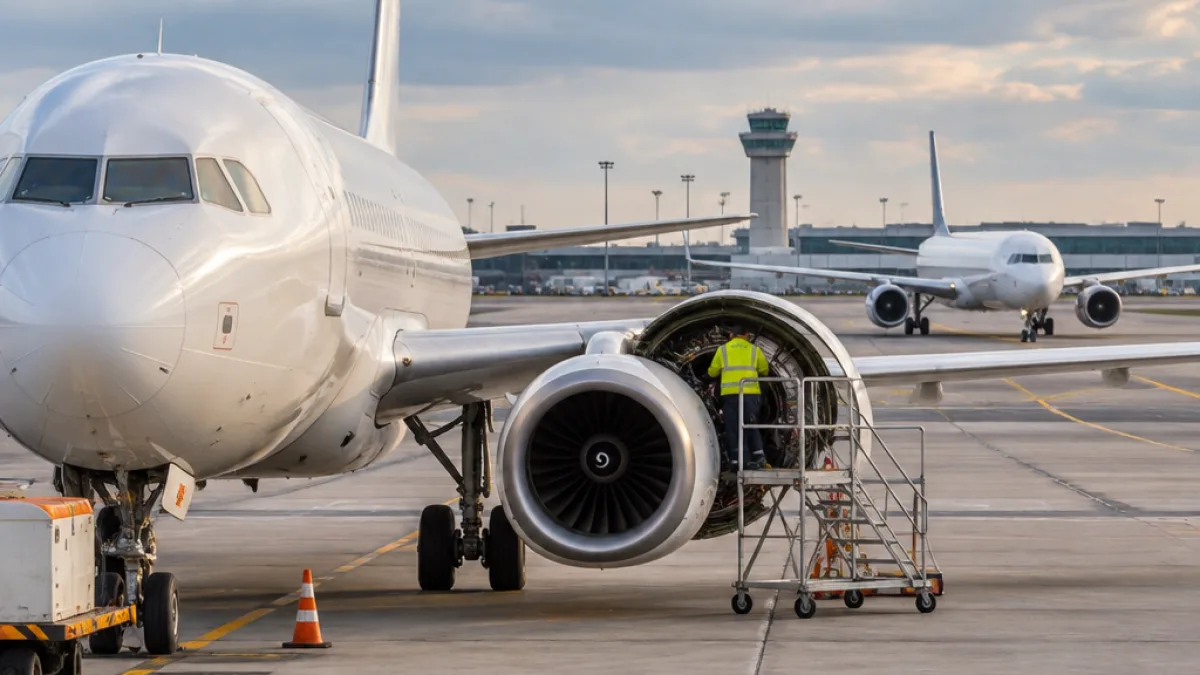
At the end of September, Wizz Air had 276 aircraft and recorded an average load factor of 92.5%. Of that fleet, 22 aircraft were grounded for GTF engine inspections, compared with 35 aircraft a year earlier. The figures show that engine-related inspections continued to affect aircraft availability, although the number of grounded aircraft was lower than in the previous year.
Romania remained one of Wizz Air’s main markets, generating €397.2 million in revenue during the six months to 30 September 2026, behind Italy. The airline’s passenger growth therefore occurred alongside a reduction in the amount generated per traveller and a substantial increase in the cost base.
- Passenger numbers rose 26% year on year to more than 46 million.
- Net profit dropped from €323.5 million to €108.1 million.
- Fuel costs exceeded €1.24 billion after increasing by nearly 34%.
The results were published amid wider concern about fuel prices and fares in the European market. Ryanair had warned that tickets could become 10%-20% more expensive in the following summer if cost pressures persisted, while also adjusting its winter schedule and cutting thousands of flights to limit losses. Separately, previously published data cited in the report showed that commercial air traffic in the European Union reached 6.9 million flights in 2025, although higher flight volumes had not necessarily translated into improved airline profitability.