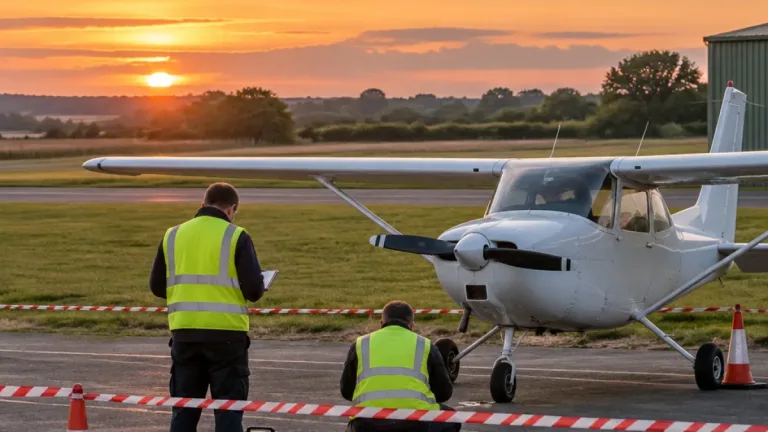
The National Transportation Safety Board (NTSB) has attributed the fatal 2024 Kamaka Air crash near Honolulu to a mechanical failure resulting from improper maintenance. The agency’s final investigation report found that the left-wing flap system on the operator’s Cessna 208B failed during an instructional flight shortly after take-off.
Both pilots, Preston Kaluhiwa and Hiram deFries-Saronitman, died when the aircraft rolled to the left and struck a vacant state-owned building on 17 December 2024. The aircraft reached a maximum height of about 350 feet above ground, according to the NTSB.
Flap-system failure preceded the impact
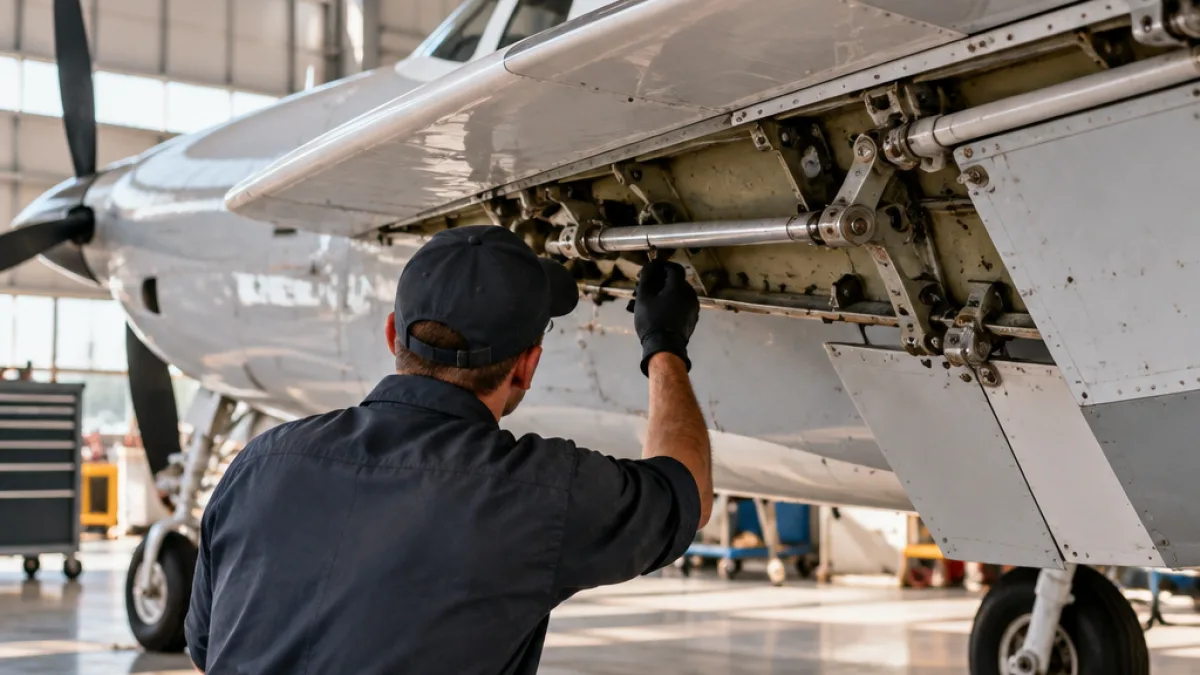
The NTSB said a connecting rod within the left-wing flap system failed after being subjected to stress associated with improper maintenance. The failure left the flap out of position, producing an imbalance between the aircraft’s flaps and an unintended roll to the left. At the height reached by the aircraft, the crew did not have sufficient altitude to recover, the report said.
Investigators also identified shortcomings in Kamaka Air’s maintenance arrangements and technical oversight. The operator had not followed its Federal Aviation Administration-approved maintenance programme, while the training and supervision provided to mechanics were found to be inadequate.
| Investigation finding | Detail |
|---|---|
| Aircraft | Cessna 208B |
| Flight | Instructional flight shortly after take-off |
| Failed system | Left-wing flap system |
| Fatalities | Two pilots |
| Investigation status | NTSB final report |
Earlier flap work examined
About 10 weeks before the crash, Kamaka Air had replaced the aircraft’s primary flap motor after a pilot reported that the flaps had not retracted following landing. The NTSB was unable to establish whether the flap system had been incorrectly adjusted during that work or at an earlier stage.
The board’s findings also covered the operator’s response after the accident. Kamaka Air inspected flap travel and cable tension on the other Cessna 208 aircraft in its fleet, and corrected the discrepancies identified during those checks.
- The NTSB identified the failed flap-system rod as the immediate mechanical factor.
- Improper maintenance was linked to the rod’s failure and the resulting loss of balance between the flaps.
- Failure to follow the approved maintenance programme, together with inadequate mechanic training and supervision, were contributing factors.
Families continue to mourn
The final report has not eased the grief of the family and friends of Hiram deFries-Saronitman. His mother, Tamar deFries-Saronitman, said: “I would never in a million years want this to happen to anybody. Nobody should ever have to bury their child because of this.”
The NTSB’s conclusions are contained in its final investigation report, which establishes the board’s findings on the accident and the factors that contributed to it.