Dubai has awarded AED 56.5 billion in new contracts for the development of Al Maktoum International Airport, taking the total value of contracts awarded for the project to more than AED 80 billion.
The announcement was made by Hamdan bin Mohammed on Thursday, 26 November 2026, under the directives of Sheikh Mohammed bin Rashid Al Maktoum. The contract awards mark a further stage in the development of the airport, which Dubai describes as a strategic project for its aviation infrastructure.
Capacity planned above 260 million passengers
Once fully completed, Al Maktoum International Airport is planned to have the capacity to handle more than 260 million passengers annually. The project is intended to reinforce Dubai’s role as an international aviation gateway and support the emirate’s position as a major destination for global travel.
The scale of the planned airport places passenger capacity at the centre of the development. The published announcement did not provide a completion date, a breakdown of the newly awarded contracts or a timetable for transferring operations from Dubai’s existing airport infrastructure.
| Project detail | Published figure |
|---|---|
| New contracts awarded | AED 56.5 billion |
| Total contracts awarded | More than AED 80 billion |
| Planned annual capacity when fully completed | More than 260 million passengers |
| Workforce on the project | 14,000 people |
Project workforce
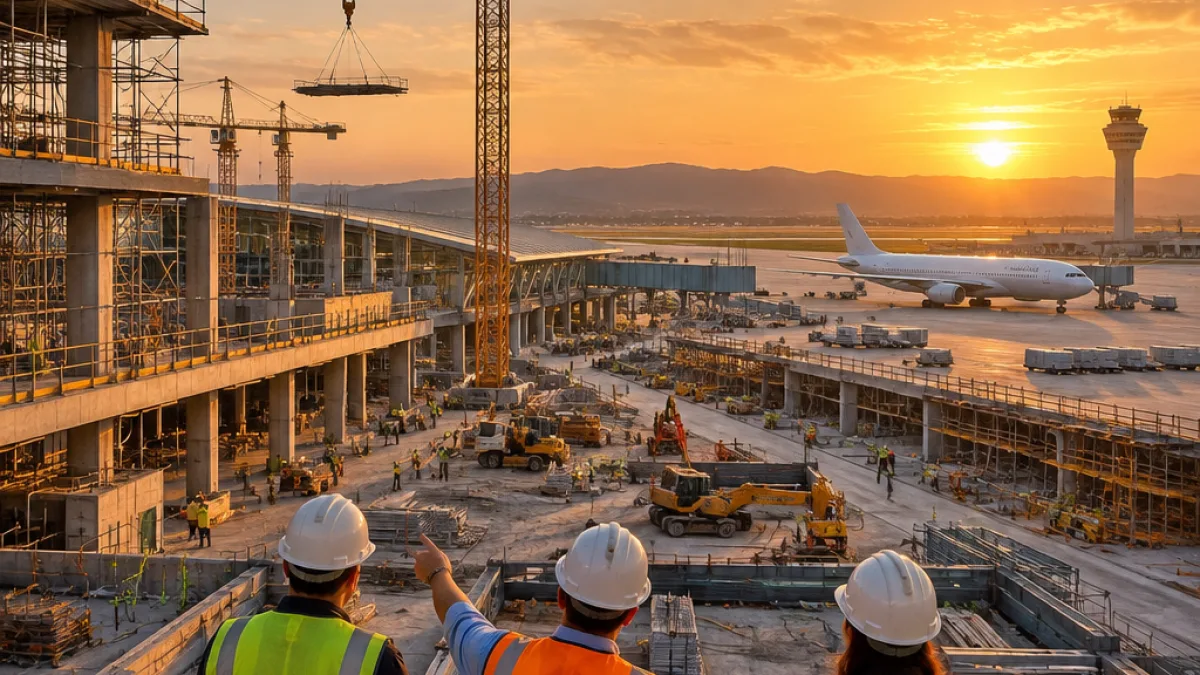
A team of 14,000 people is currently working on the project, according to the announcement. The latest awards therefore represent both a financial expansion of the airport programme and a new phase in its construction.
Dubai said the completed airport would strengthen its position as a leading global aviation gateway. The announcement also described the project’s wider significance in terms of the emirate’s international connectivity and its role as a destination.
- AED 56.5 billion of new contracts have been awarded.
- Total awarded contracts have risen above AED 80 billion.
- Al Maktoum International Airport is planned to handle more than 260 million passengers each year when fully completed.