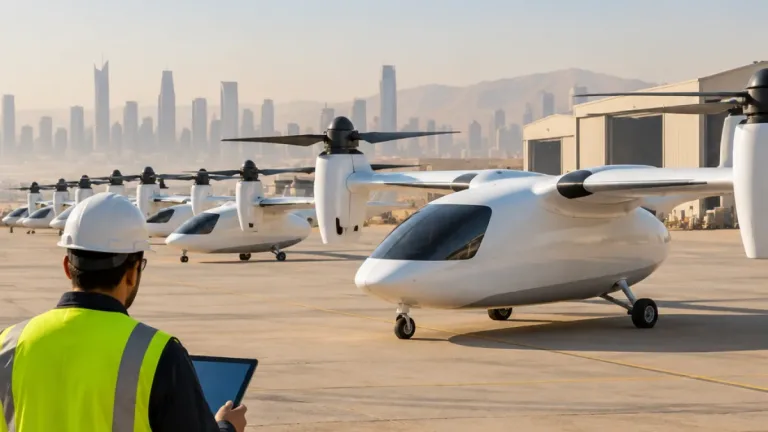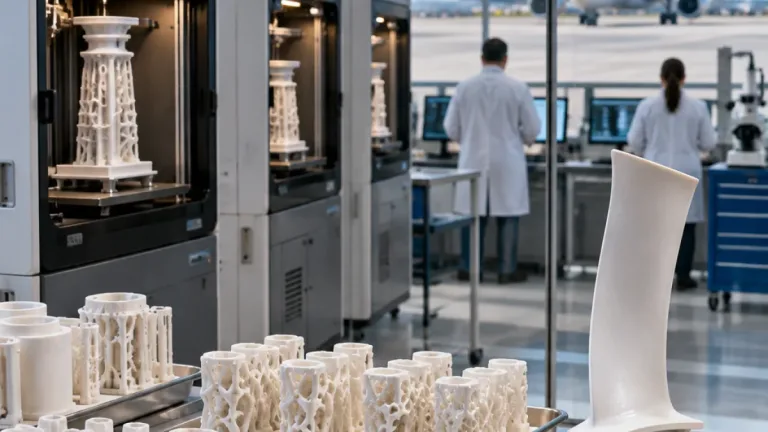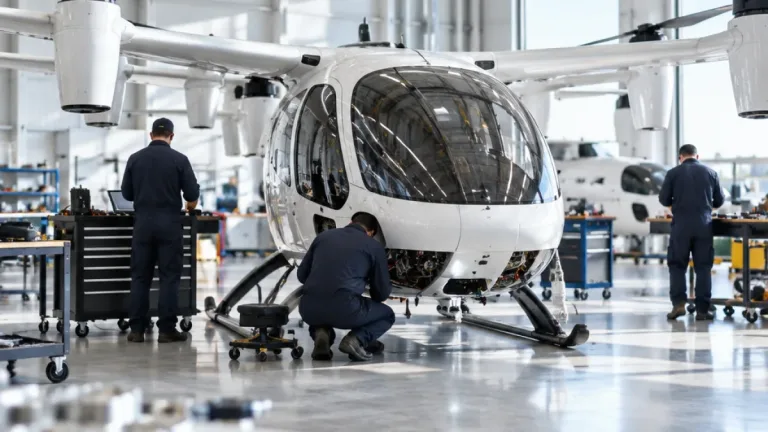
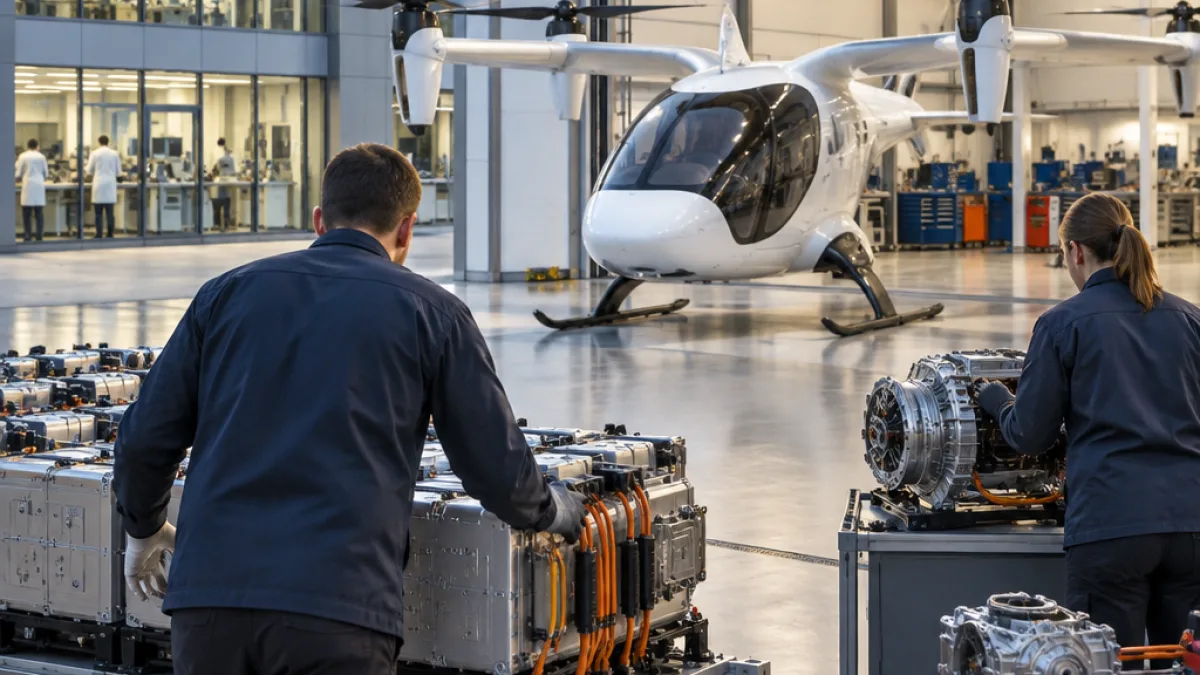
Vertical Aerospace has completed construction of a new 30,000-square-foot powertrain centre in Bristol as the UK manufacturer advances development of its Valo electric vertical take-off and landing aircraft.
The company announced the completion on 23 November 2026. The facility, which is located beside Vertical’s existing Energy Centre, will bring together powertrain engineering and systems integration with battery testing, production, recycling, reuse and remanufacturing. It will also support electric propulsion development and preparations for certification.
Facility to ramp up from 2027
Operations at the Bristol site are expected to increase progressively from 2027. Vertical said the expansion will triple its battery production capability, strengthening its control over systems that will be central to the Valo programme.
The company is developing two versions of the aircraft: a fully electric configuration and a hybrid-electric version intended to extend its range. Both variants are planned to carry four passengers and one pilot. The programme includes suppliers Honeywell, Syensqo and Sonaca, while Vertical retains the core intellectual property for the aircraft’s batteries and propellers.
| Programme detail | Information announced by Vertical Aerospace |
|---|---|
| Aircraft | Valo |
| Configurations | Fully electric and hybrid-electric |
| Planned capacity | Four passengers and one pilot |
| New facility | 30,000 square feet in Bristol |
| Operations ramp-up | Progressively from 2027 |
Battery capability alongside aircraft assembly
The powertrain centre complements Vertical’s assembly centre at Cotswold Airport. The company expects to identify the location of a full-scale factory before the end of 2026, adding a further manufacturing decision to the development of the Valo programme.
Vertical estimates that an aircraft could require around 20 battery packs during its lifetime. That calculation points to a continuing requirement for battery replacement, servicing and end-of-life activity after aircraft enter operation, although the company has not yet deployed a certified fleet.
- The Bristol centre will cover battery production, testing, recycling, reuse and remanufacturing.
- Electric propulsion development and systems integration will be carried out at the site.
- Vertical plans to increase battery production progressively from 2027.
Certification remains a separate step
The facility’s completion gives Vertical dedicated capacity for powertrain work and certification preparation, but it does not represent certification or commercial deployment of the Valo. The aircraft remains under development in both its fully electric and hybrid-electric forms, and the company said no fleets have yet been certified or deployed.
By keeping battery and propeller intellectual property in-house while working with established suppliers on other parts of the programme, Vertical is structuring its industrial base around the energy systems required for its proposed aircraft. The Bristol centre therefore forms part of the programme’s development and production preparations rather than marking the start of passenger services.