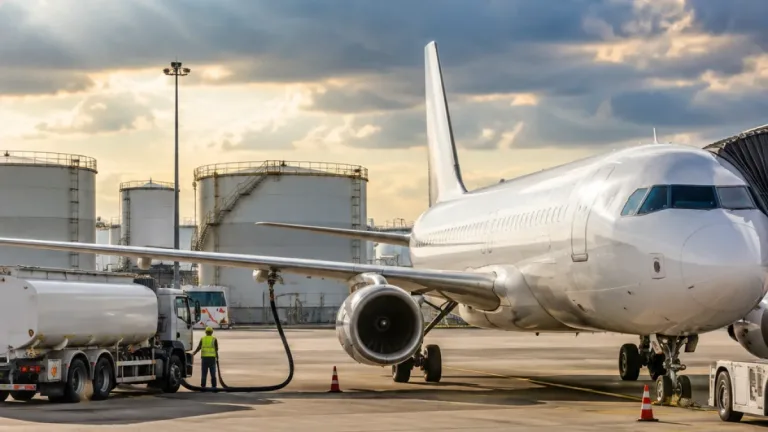
Emirates President Sir Tim Clark has identified jet fuel prices, rather than weak passenger demand, as the main pressure on the airline’s profitability, despite disruption across the Middle East and a sharp decline in the carrier’s first-half net profit.
Speaking in Dubai at the weekend, Clark said Emirates was continuing to fill its aircraft on a number of long-haul markets, including routes serving Africa, China and Russia. The carrier’s net profit fell by 66% in the first half, according to figures cited by Aviation Metric, after regional airspace closures and wider geopolitical disruption affected Middle East aviation and contributed to higher crude oil and jet fuel prices.
“It’s fuel, not people. We’re filling the aeroplanes.”
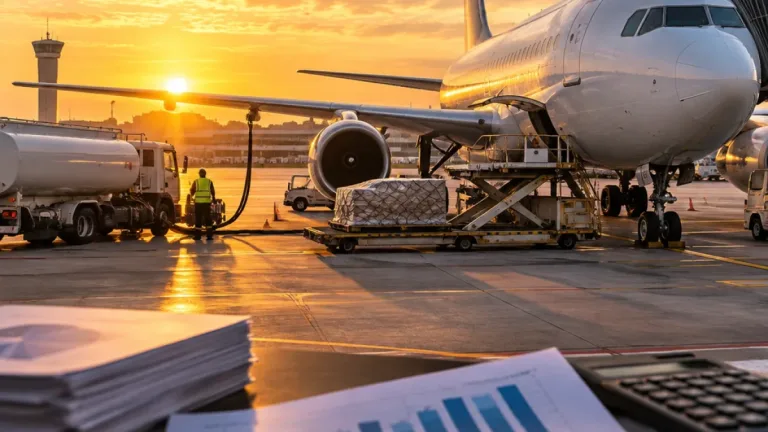
Clark said energy costs remained too high for the airline industry and argued that oil would need to return to US$70 per barrel to provide a more sustainable operating environment. Brent crude had reached US$120 per barrel earlier in the year before easing to approximately US$93 per barrel in recent weeks, as expectations of de-escalation emerged.
Demand remains uneven across the network
Emirates’ strongest demand was reported on African routes, services to Russia and flights serving China. Clark described the Chinese market as full, while saying that demand in Oceania required further support. The comments indicate that the carrier’s immediate challenge is the cost of operating its network, rather than an inability to attract passengers across its principal long-haul markets.
The airline had restored 91% of its global network by the end of September. Even so, its overall passenger seat factor fell to 72% in the first half, compared with 79.5% in the corresponding period of the previous year.
| Indicator | Reported figure | Comparison or period |
|---|---|---|
| Emirates net profit | Down 66% | First half, year on year |
| Passenger seat factor | 72% | First half, compared with 79.5% in the same period a year earlier |
| Global network restored | 91% | By the end of September |
| Dubai International Airport traffic | Down 28.1% | First nine months of 2026 |
Pressure extends beyond the airline
Dubai International Airport recorded a 28.1% decrease in passenger traffic during the first nine months of 2026, with regional airspace restrictions affecting volumes. That decline provides a wider indication of the operational effect of the disruption on Emirates’ hub, although the airport’s traffic was described as recovering gradually.
Clark warned that sustained high operating costs could lead to a wave of failures among financially weaker airlines. He said prolonged pressure from fuel prices would affect carriers across the industry, even where demand and aircraft occupancy remained comparatively resilient.
Emirates’ results therefore show a contrast between network demand and financial performance: key international markets continue to attract passengers, while higher energy costs and disruption have reduced the return generated by that activity. The carrier’s comments also underline the importance of fuel prices to the financial outlook for airlines operating long-haul networks from major connecting hubs.