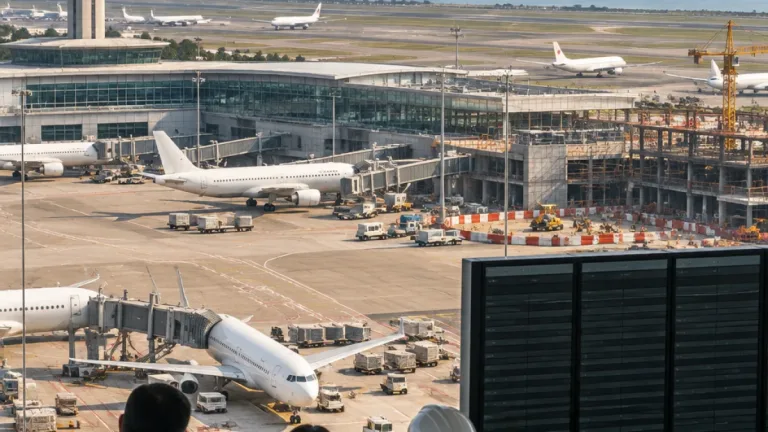
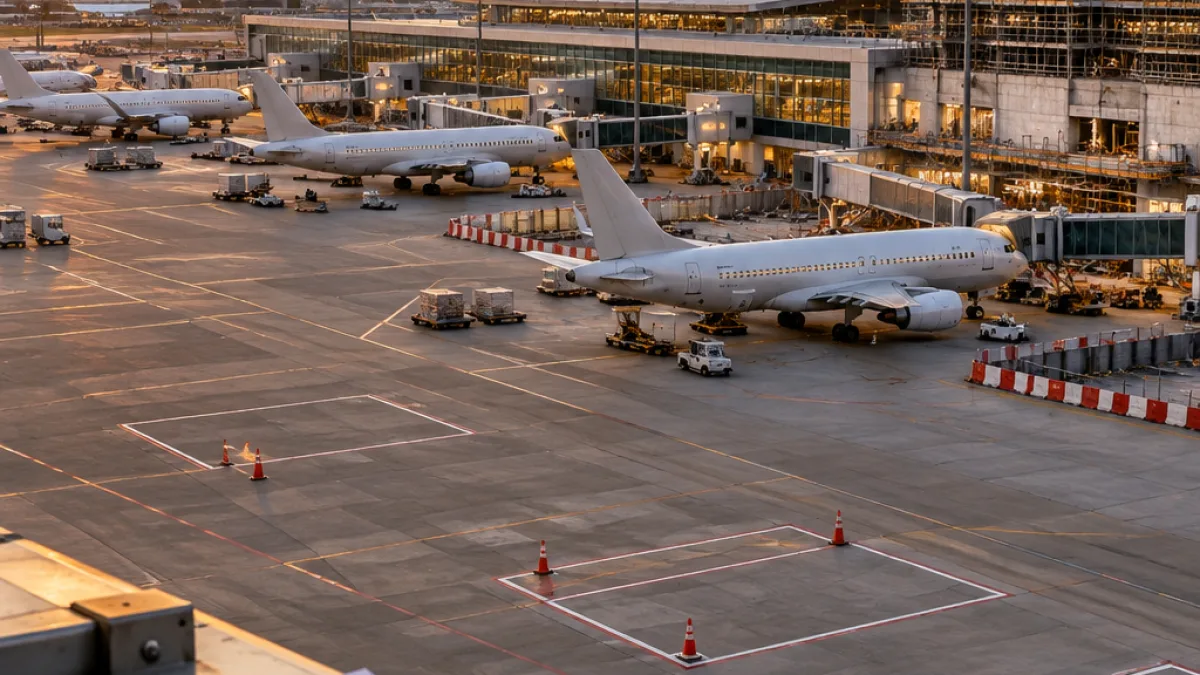
Four international airlines have challenged proposed changes to historical flight slots at Mumbai International Airport ahead of the summer 2027 schedule, warning that the dispute could be escalated to aviation regulators and become a matter for governments.
Mumbai International Airport Ltd (MIAL) has moved to reduce capacity and relocate operations for carriers serving 14 international destinations, in connection with the planned redevelopment of Terminal 1. The measures have had a disproportionate effect on airlines serving West Asian markets, according to industry sources.
The affected carriers have written to MIAL and India’s Ministry of Civil Aviation (MoCA), asking the ministry to intervene. They have also indicated that the matter could be referred to the Directorate General of Civil Aviation (DGCA), India’s central government and their respective home aviation regulators if it is not resolved.
“Highly discriminatory and targeted towards” West Asian markets
One airline used that description in a letter challenging the basis of the proposed changes. The carriers questioned why Dubai and Abu Dhabi were not included in the same restrictions, arguing that the policy’s geographic focus required further explanation.
Routes affected by the proposed changes
The destinations identified in the correspondence include a number of major points in the Gulf and wider Middle East, as well as South and Southeast Asia:
- Bahrain, Dammam, Doha, Fujairah, Jeddah, Kuwait City, Madinah, Muscat, Ras Al Khaimah, Riyadh and Sharjah;
- Dhaka, Jakarta and Kathmandu.
The airlines have asked MoCA to provide copies of any approvals authorising the cited reduction of 5 million passengers per annum and the cancellation of established slot rights. Their challenge covers both the selection of routes affected and the legal and regulatory framework underpinning MIAL’s directive.
Potential bilateral consequences
The dispute has implications beyond the allocation of airport capacity. The airlines have warned that, if domestic regulatory channels fail to resolve the issue, they could seek action under their countries’ bilateral air services agreements with India. That could lead to reciprocal slot restrictions against Indian carriers, although no such measures have been announced.
Historical slots are particularly significant for international carriers because they underpin established schedules and market access at a capacity-constrained airport. In this case, the proposed changes combine a reduction in available capacity with the relocation of operations from Terminal 2, where the affected airlines currently operate.
| Item | Details |
|---|---|
| Airport | Mumbai International Airport |
| Airport operator | Mumbai International Airport Ltd |
| Schedule concerned | Summer 2027 |
| Destinations identified | 14 international destinations |
| Capacity reduction cited | 5 million passengers per annum |
MIAL’s plan is linked to the redevelopment of Terminal 1, but the airlines are seeking clarification on how the resulting capacity changes were approved and how the affected carriers and routes were selected. The correspondence has therefore shifted the issue from an airport-operational decision to a wider question of international market access and regulatory oversight.