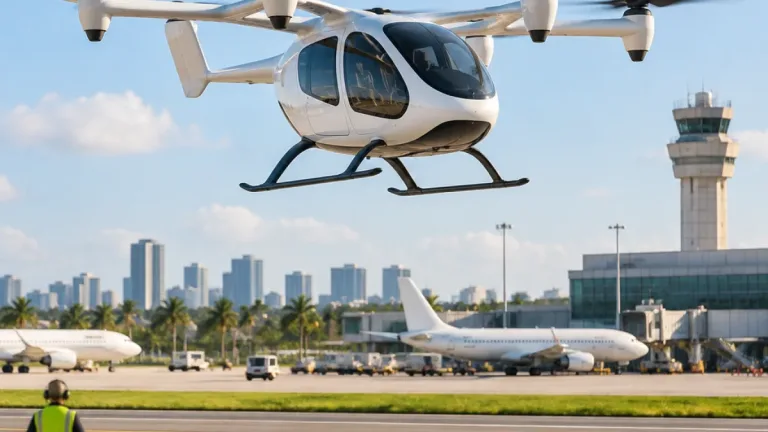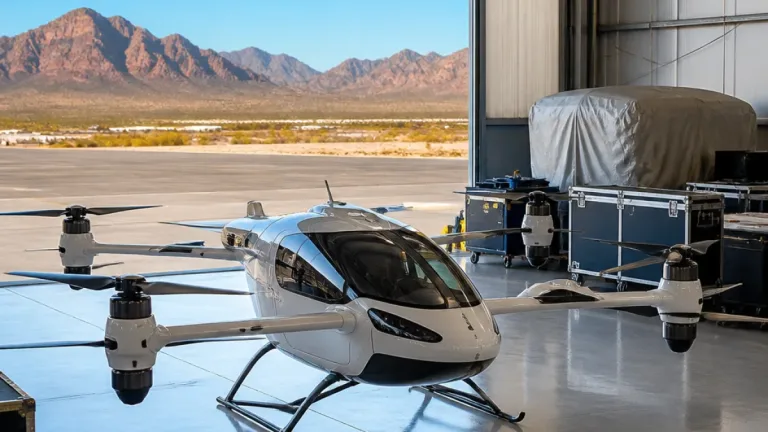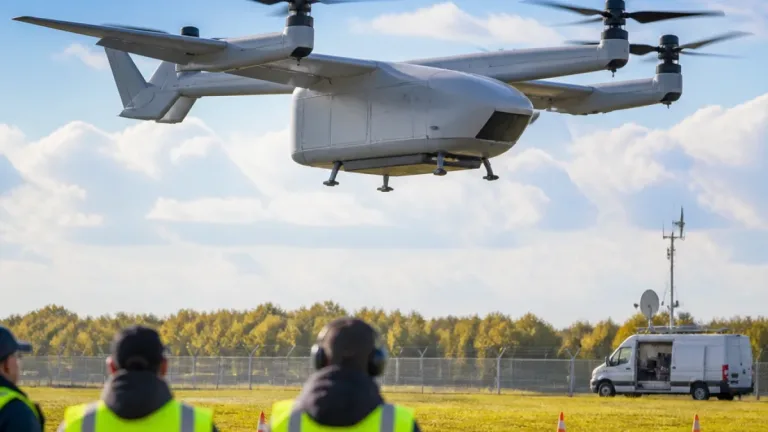
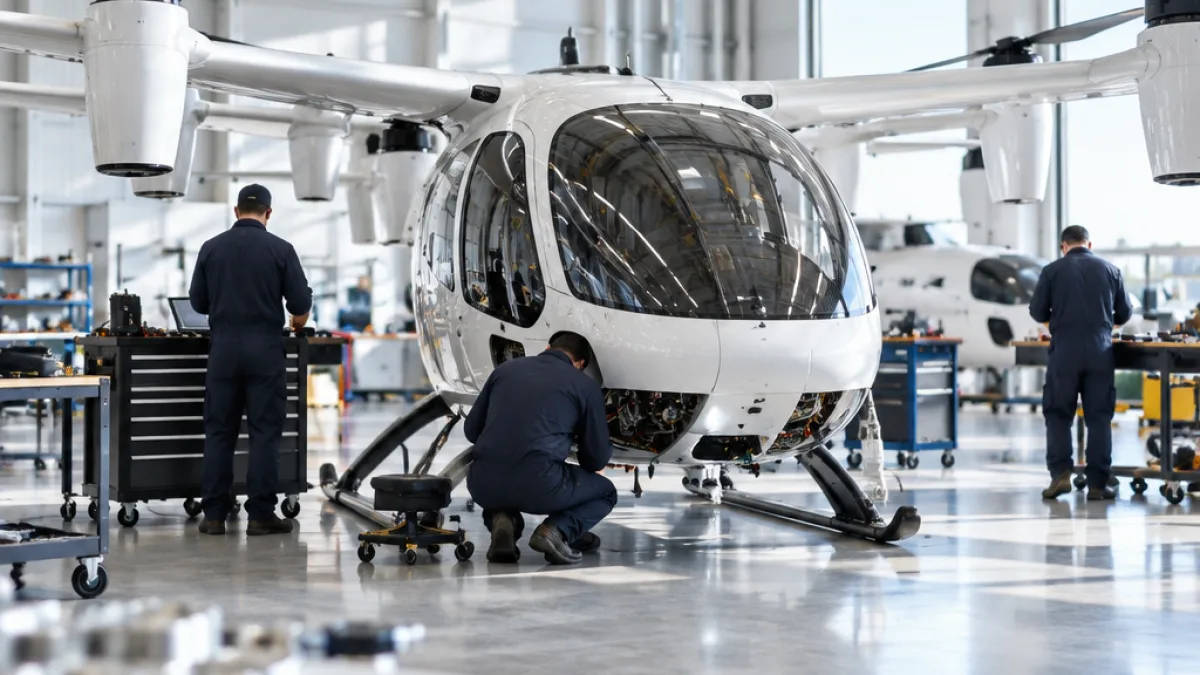
Eve Holding has completed most of the planned engineering work for its electric vertical take-off and landing (eVTOL) aircraft, as the company prepares to start building the first of six certification prototypes. The update came during its third-quarter earnings call and included further details on flight testing, component validation and the regulatory programme.
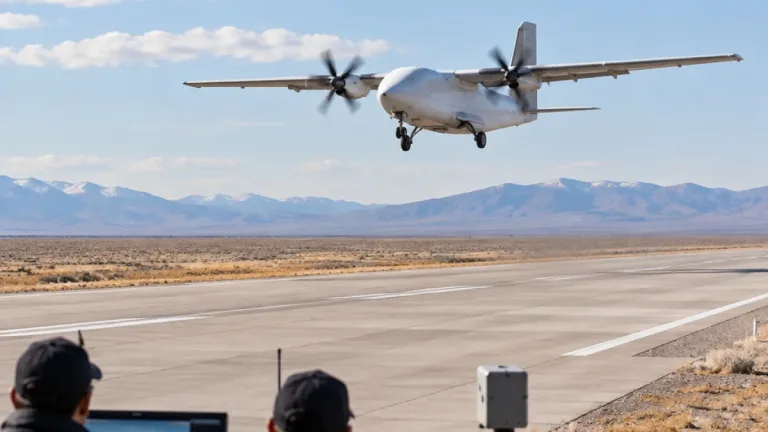
The engineering prototype has now completed 73 flights, accumulating 3 hours and 6 minutes of airtime. Eve said the aircraft’s pusher had reached about 1,200 revolutions per minute, allowing the prototype to fly forwards at 45 knots, or roughly 52 miles per hour. The company said it was between eight and ten flights away from beginning full transition testing.
Engineering programme moves towards transition testing
Eve reported that 170 of 185 planned engineering prototype flight-test points had been validated, equivalent to 91% of the programme. The test work covers aircraft performance and component behaviour, including aerodynamic drag, structural loads, rotor vibration, battery temperature and the relationship between motor speed and thrust.
The remaining engineering activity is taking place alongside dedicated testing of the aircraft’s lifter motors, inverters and battery systems. Eve said the lifter motors had generated the thrust needed for take-off and landing, while the inverter had managed peak energy demand. The company also reported that it had successfully contained a thermal runaway event in a battery pack during testing.
- 73 engineering prototype flights completed
- 170 of 185 planned engineering test points validated
- Forward flight demonstrated at 45 knots
- Full transition testing expected to begin after a further eight to ten flights
Certification aircraft enters production preparation
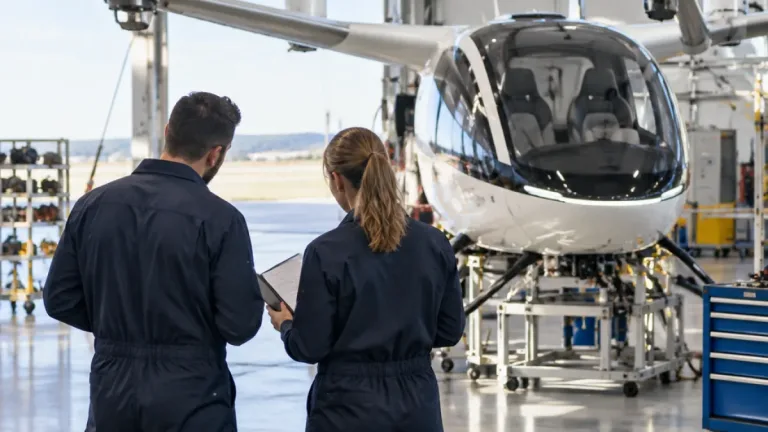
Parts and components for the first certification prototype are arriving, with large fuselage sections and tooling for the wings and pylons ready. Assembly is expected to begin in early 2027. Eve plans to send the other five certification prototypes to the Gavião Peixoto test facility at 30-day intervals.
| Programme item | Status reported by Eve |
|---|---|
| Engineering prototype | 73 flights completed |
| Engineering test points | 170 of 185 validated |
| Certification prototypes | Six planned; parts for the first arriving |
| Certification flights | Targeted to begin in 2028 |
The company said its detailed design standards were 99% closed and that its certification plans had been defined. Brazil’s ANAC has accepted the noise certification basis following a public consultation, while ANAC, the FAA and EASA remain engaged with the programme. Eve is targeting the start of certification flights in 2028; that milestone is separate from the engineering flights already completed and from the planned assembly of the certification aircraft.
Commercial progress accompanied by financial risks
Eve also highlighted a new agreement with a Brazilian customer, as well as its liquidity position and cost-saving measures. The update did not remove the financial pressures facing the programme: the company continues to report net losses and cash use, while backlog conversion and a sequential decline in backlog were identified as risks.
The latest figures place Eve’s programme at an important testing and industrialisation stage, but they do not represent the start of passenger operations. The prototype flights completed so far support engineering validation, while certification aircraft production and the planned 2028 certification-flight campaign are further steps in the approval process.