Park Nam-chun has formally taken office as president and CEO of Incheon International Airport Corp. (IIAC), with the airport operator facing rising demand and the need to advance major infrastructure projects at South Korea’s principal aviation hub.
Park began a three-year term on Monday 23 November 2026 as IIAC’s 11th chief. Expanding the airport’s facilities is expected to be one of his central responsibilities as passenger numbers approach the limits of existing infrastructure.
New terminal and runway planned
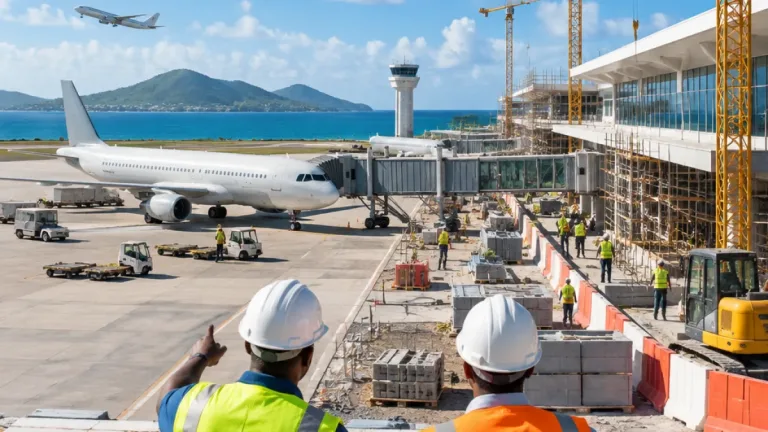
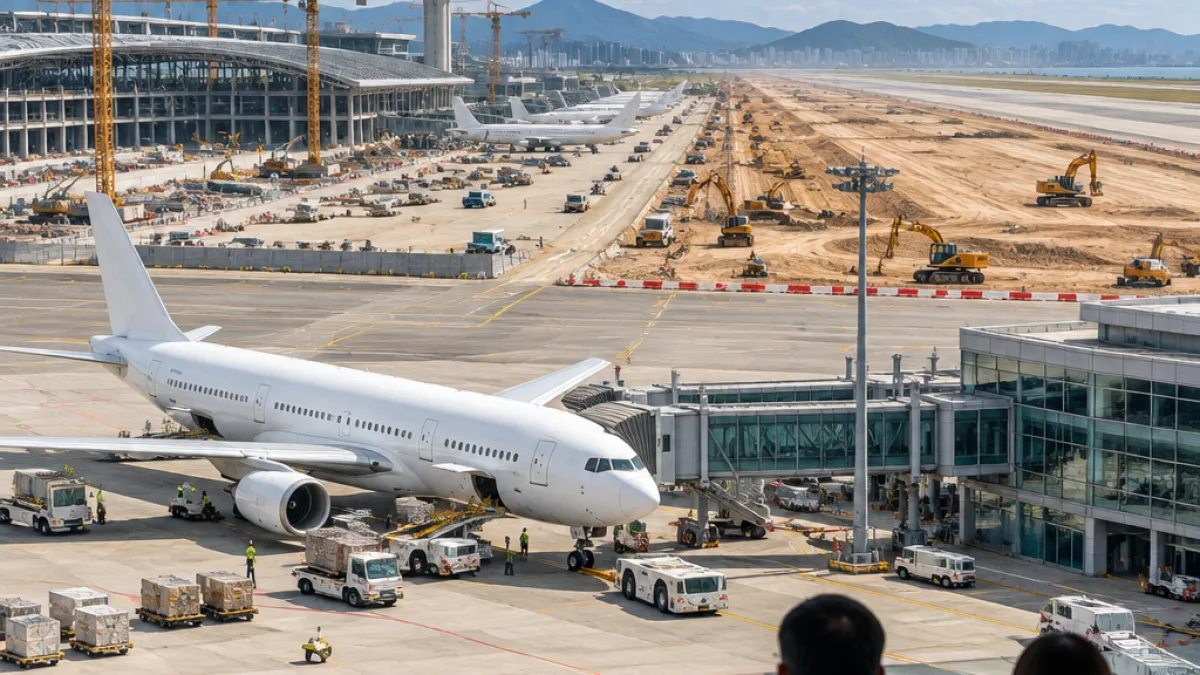
Incheon International Airport plans to add a third passenger terminal and a fifth runway. The projects are intended to increase annual passenger-handling capacity from 106 million to 131 million. Park’s task will be to move the schemes from planning towards construction and eventual operation.
The airport handled 74.07 million international and domestic passengers in 2025, its highest annual total since opening in 2001. The Ministry of Land, Infrastructure and Transport forecasts that international passenger numbers alone will reach 106.36 million in 2033, indicating the scale of the capacity challenge facing the operator.
| Measure | Current or latest figure | Target or forecast |
|---|---|---|
| Annual passenger capacity | 106 million | 131 million |
| Passenger traffic | 74.07 million in 2025 | 106.36 million international passengers in 2033 |
| Airport network | — | 200 cities during Park’s term |
Hub and network ambitions
Park has set a target of increasing the number of cities served by Incheon to 200 and raising annual passenger traffic to 90 million during his tenure. He also wants the airport to develop as a 24-hour global hub with a competitive international air network.
His stated priorities include:
- safe, fast and convenient airport operations;
- development of a global mega hub;
- an airport of the future using artificial intelligence;
- growth as a global airport management company; and
- shared growth and balanced national development.
“Over the next 25 years, Incheon International Airport must present a new model for the future through bold changes and innovation.”
Park said the corporation would incorporate operational and safety indicators into management performance contracts and upgrade facility management and entry and exit procedures. IIAC will also consult relevant agencies on the direction of Terminal 1’s renewal and the fifth phase of airport construction.
The operator is additionally progressing its “AIport” plan, which will apply artificial intelligence across airport operations. The programme includes expanding AI-based unmanned services for entry and departure procedures and incorporating AI technology into airport operations as Incheon prepares for further growth in air travel demand.