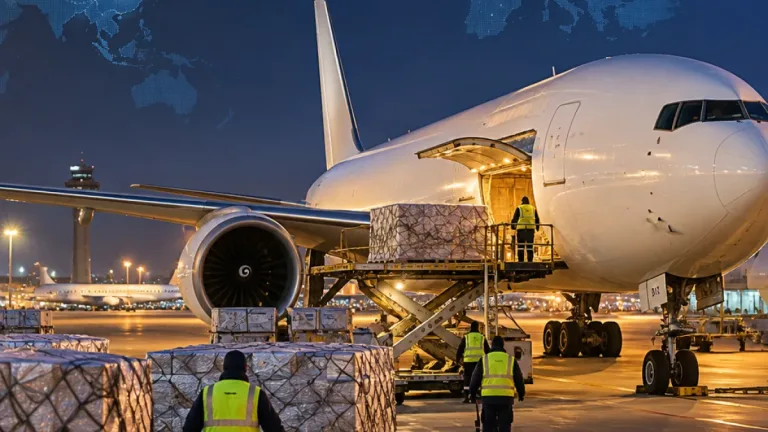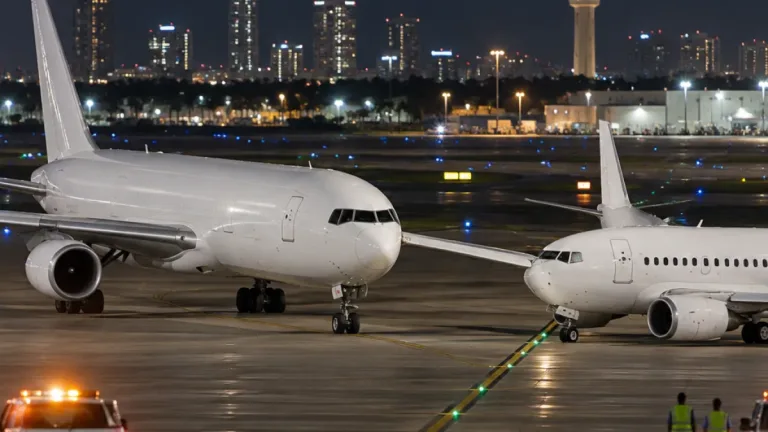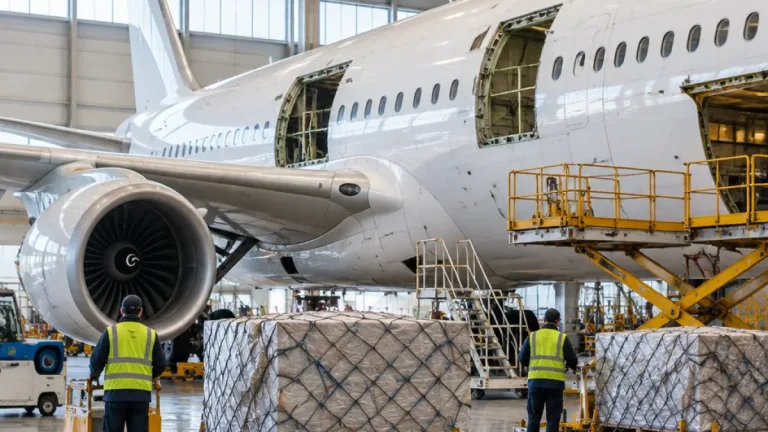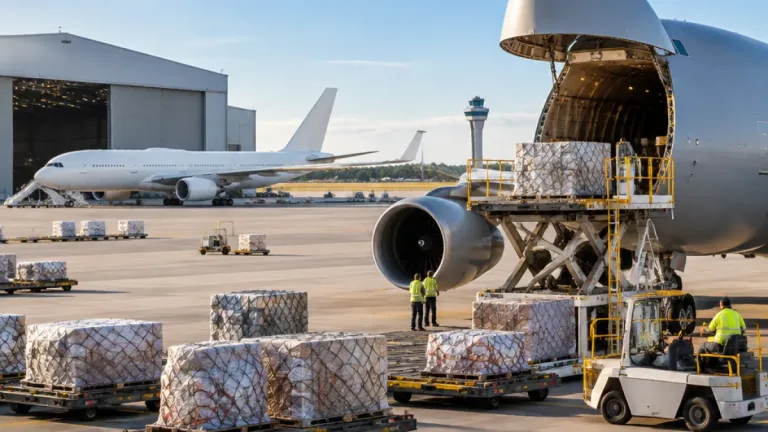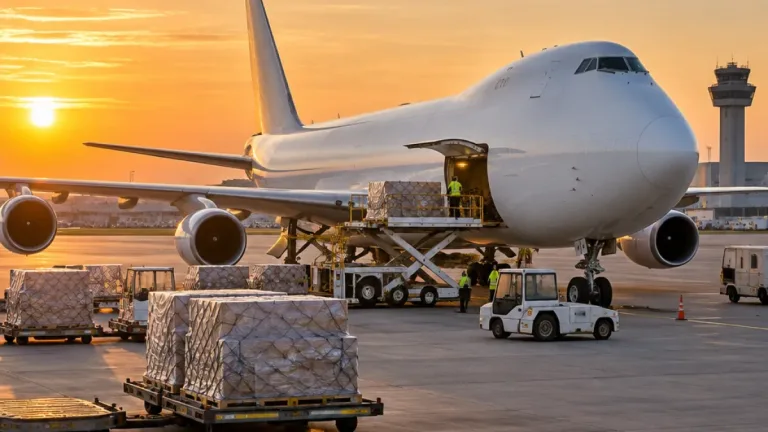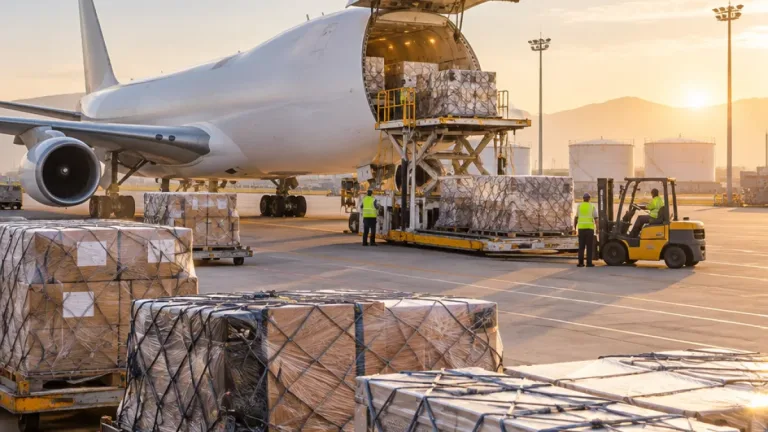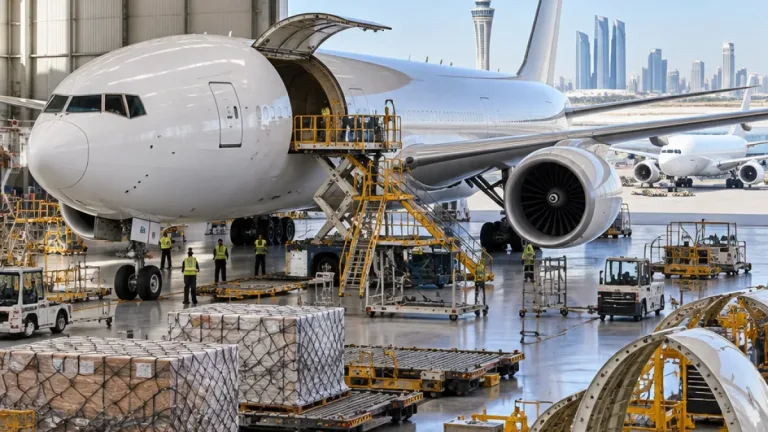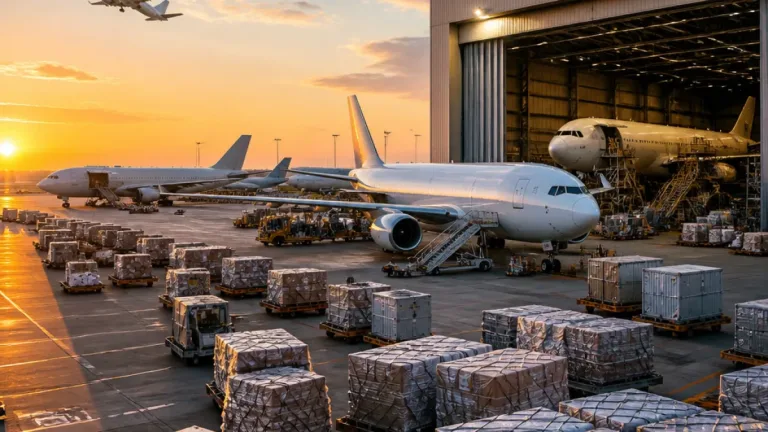
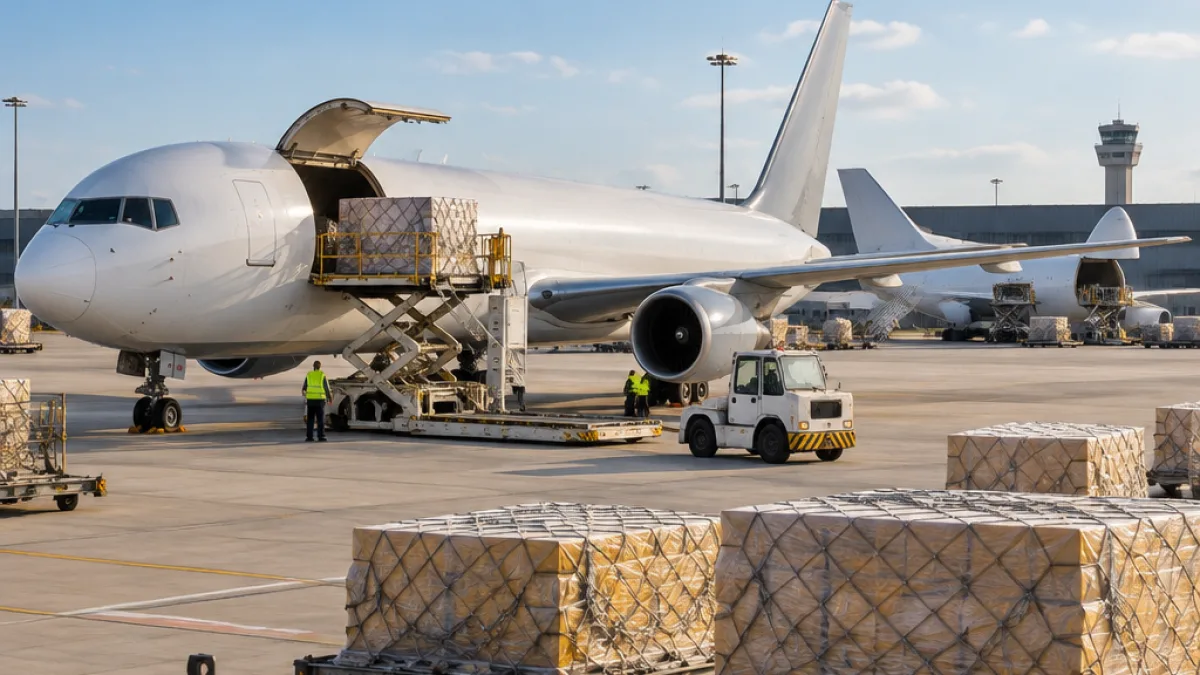
European Air Transport Leipzig (EAT Leipzig) has ended Boeing 757 freighter operations, completing a fleet transition that will leave DHL Express’s German cargo airline operating Airbus aircraft exclusively for its freight activities.
The change does not remove the 757 freighter from DHL’s European network. The aircraft has been transferred to DHL Air Austria, where it will continue supporting European operations under a different division. Its final flight in German registration took place on 12 November, when the aircraft operated from Marseille Provence Airport (MRS) to Leipzig/Halle Airport (LEJ).
A key aircraft in DHL’s German network
The Boeing 757 played a central role in establishing EAT Leipzig as a cargo operator. DHL’s German hub opened in 2008, initially with EAT Leipzig focused on maintenance. Before 2010, the airline had secured its air operator certificate, enabling it to move into flying operations and take on Boeing 757 freighter services.
The aircraft subsequently supported connections across Germany and the wider European network, providing additional main-deck capacity and frequency. Its position below DHL’s larger Airbus freighters allowed the group to serve freight flows without deploying a larger widebody aircraft with higher operating costs.
| Aircraft | Final EAT Leipzig activity | Next DHL operator | Role |
|---|---|---|---|
| Boeing 757 freighter | 12 November, Marseille Provence–Leipzig/Halle | DHL Air Austria | European freight operations |
Capacity between narrowbody and widebody freighters
The 757-20PCF conversion used by the operation offered 15 main-deck pallet positions and a maximum available payload of around 38 tonnes, depending on the final aircraft configuration. That combination gave DHL a freighter positioned between smaller aircraft and its larger Airbus fleet, with sufficient main-deck volume for scheduled European cargo work.
The type also helped release other aircraft for longer-range missions. By carrying a substantial share of the European workload, the 757s allowed other aircraft to serve destinations in the Middle East and Africa. The fleet therefore had a network role beyond the individual sectors it operated, adding capacity where a larger widebody freighter was not required.
- EAT Leipzig has now completed its withdrawal from Boeing 757 freighter operations.
- The aircraft remains within DHL’s operation through DHL Air Austria.
- The 757’s former role combined main-deck capacity with lower scale than DHL’s larger Airbus freighters.
The move marks the end of Boeing 757 flying for EAT Leipzig, but not the immediate disappearance of the aircraft from DHL’s European freight system. Instead, the freighter’s operational role has shifted to another DHL airline as EAT Leipzig moves forward as an exclusive Airbus operator.