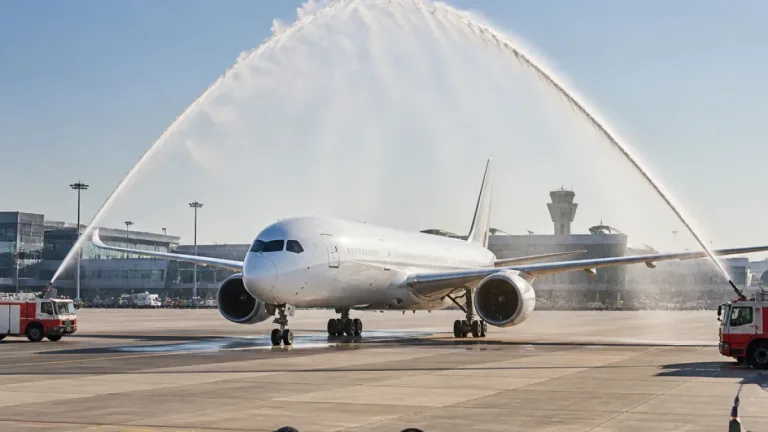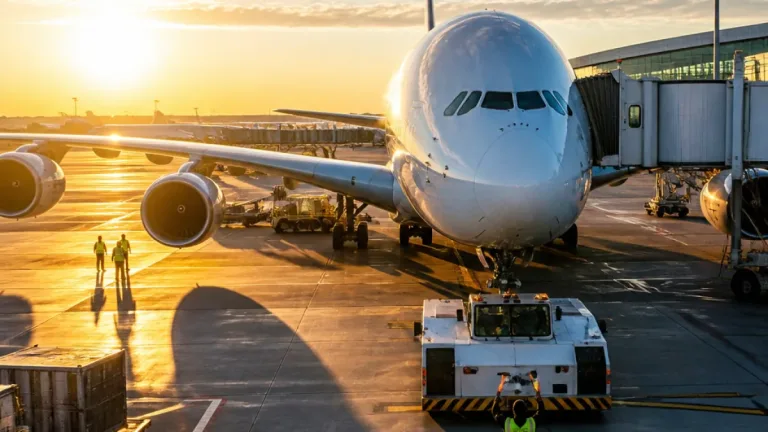
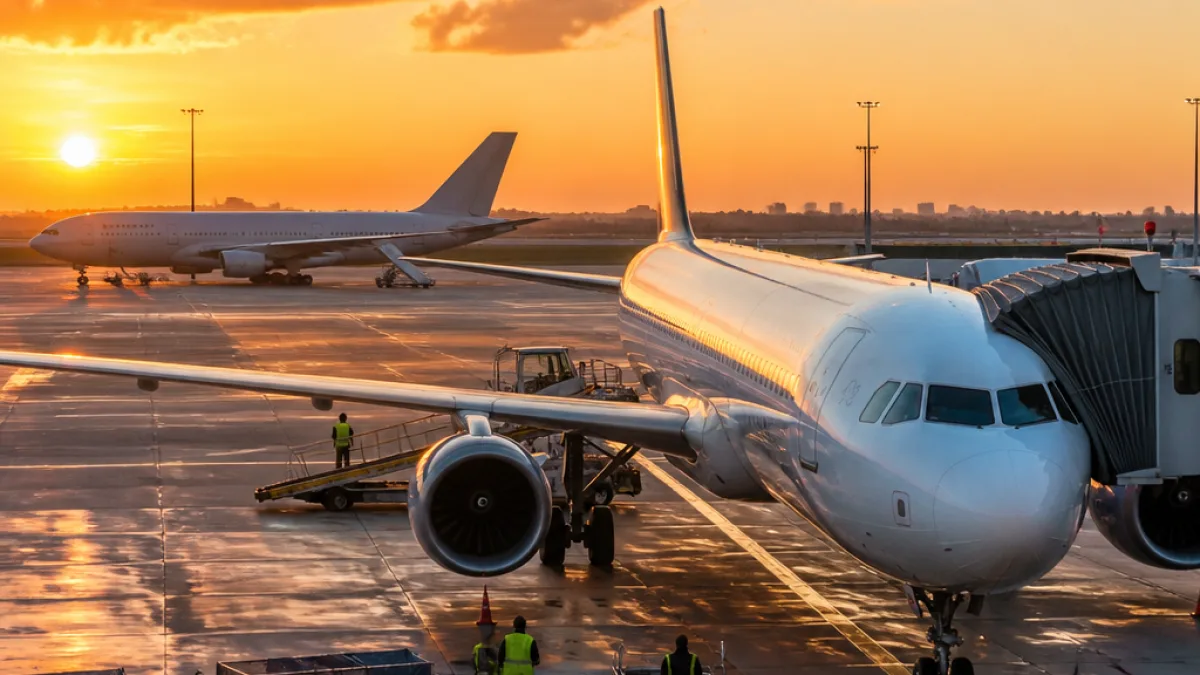
IndiGo has started operating its A321XLR on the Mumbai–Amsterdam route, with the changeover taking place from 25 October 2026. The move ends a damp-lease arrangement under which the airline had used Boeing 787-9 aircraft and crews supplied by Norse Atlantic Airways for its European debut.
From leased Dreamliners to the A321XLR
The damp-lease with Norse provisioned six Boeing 787-9s and ran to 31 October 2026, according to published accounts. Those Dreamliners had been configured in a 338-seat layout made up of 282 economy seats and 56 premium economy seats.
IndiGo’s A321XLR that now operates the Mumbai–Amsterdam sector is configured for 195 passengers. The cabin comprises 183 economy seats at 28 inches of pitch and 12 IndiGoStretch premium seats at 38 inches of pitch, arranged 2-2. The aircraft does not have an installed in-flight entertainment system.
Capacity, frequency and operating economics
The switch reduces per-flight capacity by 143 seats compared with the 787-9 layout. Despite that decline in seat numbers, IndiGo has retained daily flights on the route for winter 2026; the carrier had previously considered cutting to three per week. Published commentary notes geopolitical airspace closures have pushed India–Europe routings further out, increasing fuel consumption and operating costs on these sectors.
- Aircraft change: from Norse Atlantic Boeing 787-9 (damp-lease) to IndiGo A321XLR
- Start date: 25 October 2026
- Capacity impact: 338 seats (787-9) → 195 seats (A321XLR)
- IFE: A321XLR has no installed in-flight entertainment system
Route details
| Carrier | Origin | Destination | Start date | Weekly frequency | Aircraft |
|---|---|---|---|---|---|
| IndiGo | Mumbai | Amsterdam | 25 October 2026 | Daily | Airbus A321XLR (195 seats) |
Industry coverage of the change highlights the strategic significance for IndiGo of deploying aircraft from its own order book rather than continuing to rely on leased widebodies and crew for long-haul operations. The A321XLR is tailored to thinner long-haul markets where frequency and unit economics can outweigh sheer capacity, a rationale cited in the reporting around the transition.
The transition also underscores a distinct trade-off: passengers face a smaller seat pitch advantage in premium seating and a significant reduction in seat count, and the lack of onboard entertainment will be a material consideration on the longer India–Europe sectors.
No new quotes or delivery-schedule details beyond the operational facts above have been published alongside the reports of the aircraft change.