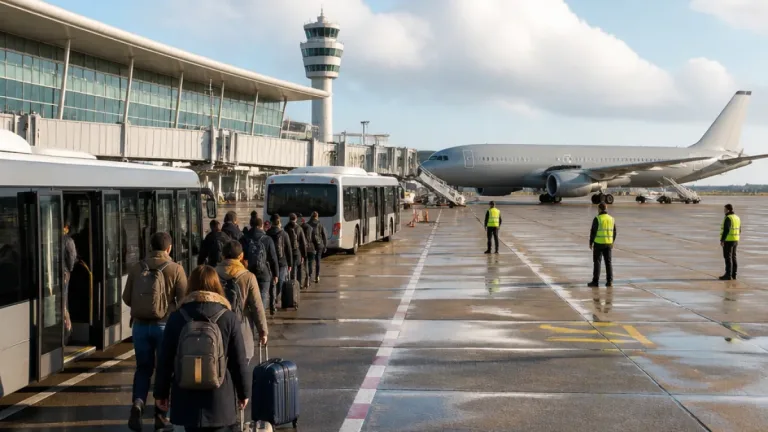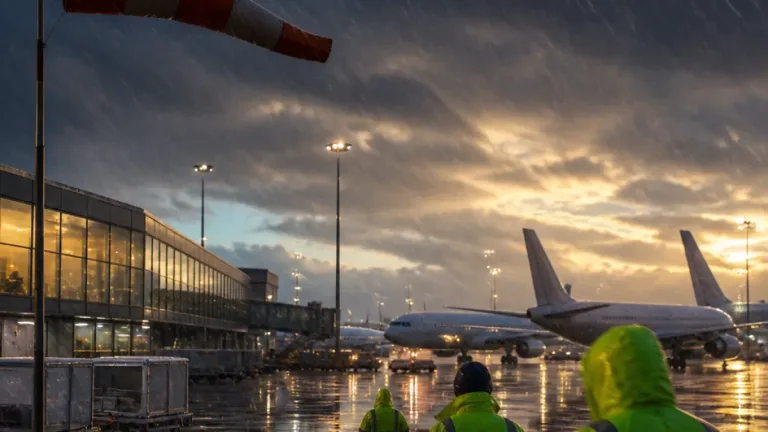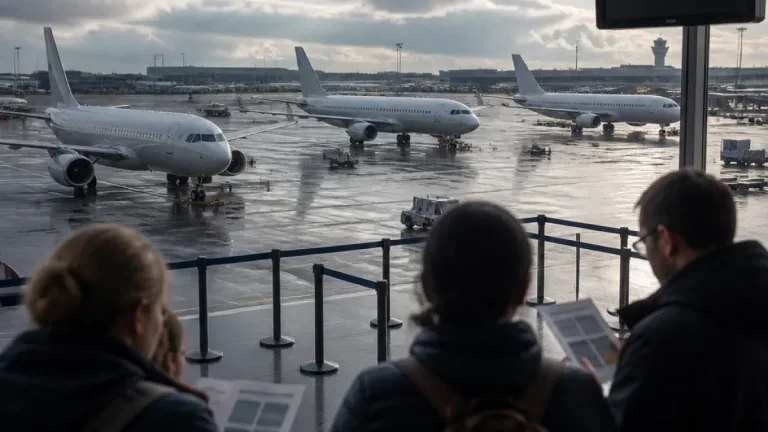
Airlines in Nigeria have increased capacity with fresh aircraft purchases and fleet modernisation programmes, yet punctuality has not improved. Data published by the Nigeria Civil Aviation Authority (NCAA) for the month covered in BusinessDay Nigeria show that of 7,961 scheduled flights operated by 15 domestic carriers, 4,765 were delayed, giving a national delay rate of 59.9%. Total cancellations stood at 36 (0.45%).
Where delays are concentrated
The NCAA figures attribute particularly high delay rates to several leading carriers. BusinessDay Nigeria reports the following delay percentages for major domestic operators:
| carrier | scheduled operations | delayed flights | delay rate |
|---|---|---|---|
| United Nigeria Airlines | 1,231 | 943 | 76.6% |
| Air Peace | 1,864 | 1,330 | 71.4% |
| Enugu Air | 878 | 582 | 66.3% |
| ValueJet | — | — | 56.7% |
Structural constraints cited
BusinessDay Nigeria draws a distinction between fleet size and system capability. The story lists a number of operational and infrastructural causes that are constraining reliability even as carriers add aircraft. Key factors identified include:
- aggressive scheduling with inadequate operational buffers;
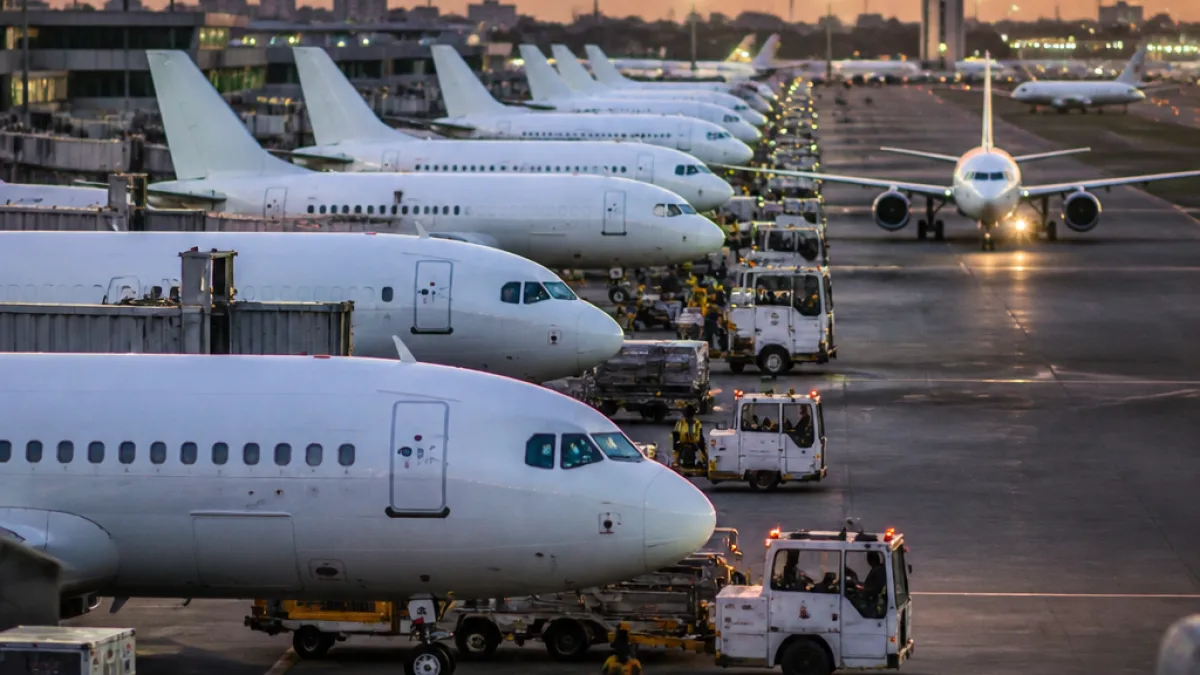
- apron congestion and limited tarmac space at some airports;
- airfield limitations such as reduced lighting that restrict operations after sunset;
- outsized impact from unexpected fleet depletions due to bird strikes and mandatory maintenance C-checks;
- network expansion that stretches existing ground and airside capacity; and
- environmental disruptions including severe weather.
Those problems mean that increased aircraft availability has not translated into better on-time performance. BusinessDay Nigeria frames the situation as a mismatch: carriers have bought more aircraft, but the broader system — runways, aprons, air traffic management, scheduling practices and contingency resilience — has not kept pace.
Operational implications
For route development teams, tour operators and airport planners, the NCAA statistics underline how network growth can be undermined by non-aircraft constraints. The low cancellation rate (36, or 0.45%) suggests airlines are endeavouring to operate services despite disruption, but the elevated delay rate points to passenger experience, crew rostering and aircraft utilisation pressures.
BusinessDay Nigeria’s reporting uses NCAA data and highlights outcomes by carrier. Nor does it include specific airport-level statistics beyond the system-wide figures and the carrier delay rates cited above.
The situation in Nigeria illustrates a common challenge in fast-growing aviation markets: fleet investment is necessary but not sufficient. Without concurrent upgrades to airside infrastructure, air traffic management and scheduling resilience, expanded fleets can exacerbate congestion rather than relieve it.