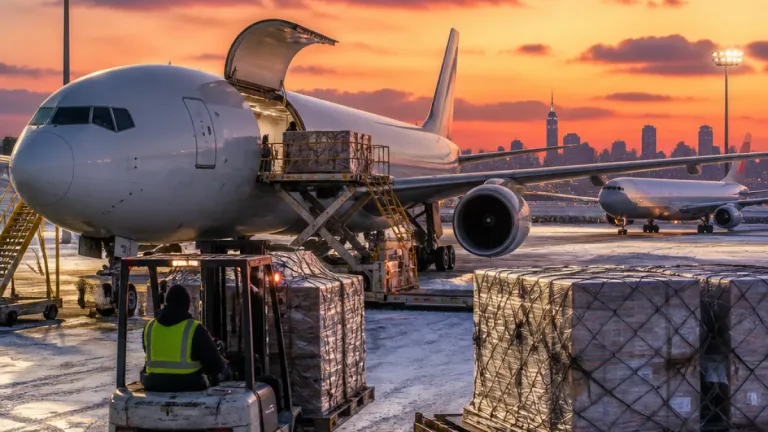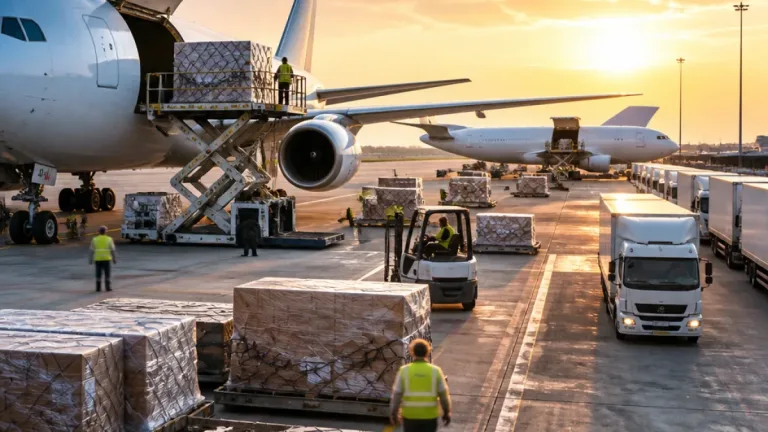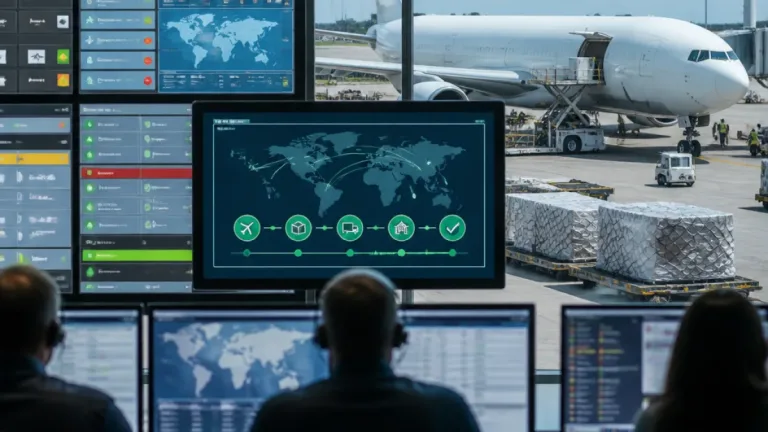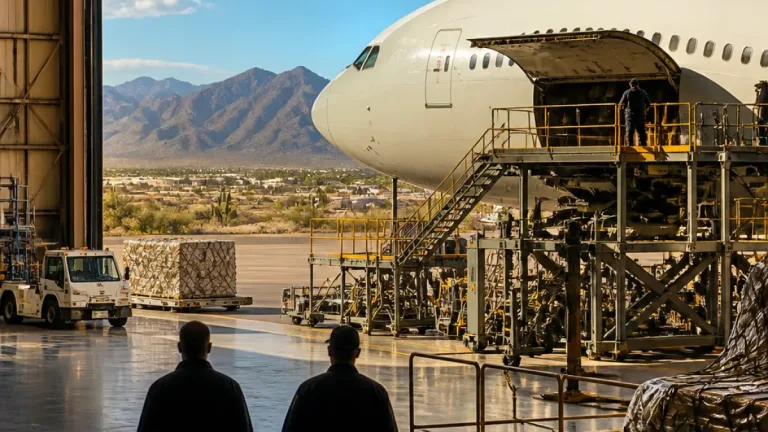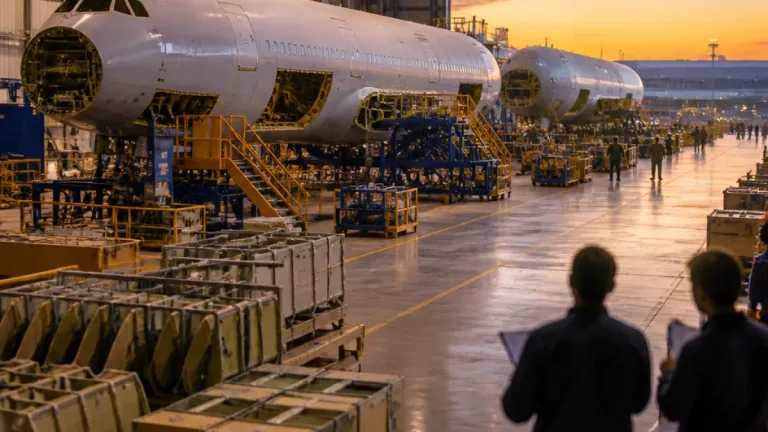
Air cargo traffic is forecast to double by 2045, supporting demand for 2,930 new-build and converted freighters over the next two decades, according to Boeing’s 2026 World Air Cargo Forecast.
Released on 28 October at The International Air Cargo Association’s Air Cargo Forum in Miami, the outlook projects the global freighter fleet will rise from 2,395 aircraft in 2025 to 4,010 in 2045. That represents an increase of 67% as operators add capacity and replace aircraft reaching retirement.
Growth and replacement will drive deliveries
Boeing expects approximately 55% of deliveries to support fleet growth, with the remaining 45% replacing older freighters. Passenger-to-freighter conversions are forecast to account for roughly two-thirds of deliveries, leaving newly built aircraft to provide the balance.
| Measure | Boeing forecast |
|---|---|
| Global freighter fleet in 2025 | 2,395 aircraft |
| Global freighter fleet in 2045 | 4,010 aircraft |
| Total deliveries, 2025-2045 | 2,930 aircraft |
| Annual cargo traffic growth | 3.5% |
The conversion market currently spans narrowbody aircraft including the Boeing 737-800 and Airbus A321, as well as larger Boeing 767 and Airbus A330 freighters created from passenger aircraft. New-build options identified by Boeing include the Boeing 777F, the forthcoming Boeing 777-8F and the Airbus A350F.
E-commerce and technology shipments add demand
Boeing said the expected expansion is being supported by the growth of online shopping, changes in manufacturing locations and increasing shipments of high-value technology. The manufacturer highlighted artificial intelligence hardware as an emerging cargo category, citing International Air Transport Association data that more than 70% of AI-related goods travelled by air in 2025.
Those flows add to established air cargo demand for perishable products, expensive equipment and other consignments where speed remains important. Boeing said global air cargo traffic reached a record level in 2025, increasing by nearly 5% year on year despite trade disputes and geopolitical disruption. Its forecast puts average annual traffic growth at 3.5% over the following two decades.
- Converted passenger aircraft are expected to represent roughly two-thirds of deliveries.
- About 55% of deliveries are intended to support growth rather than replacement.
- Demand is being linked to e-commerce, supply-chain changes and time-sensitive technology shipments.
“Air cargo’s adaptability and speed are strategic advantages enabling reliable transport, dynamic rerouting and critical support for evolving supply chains. As global trade patterns change and demand for time-sensitive, high-value goods grows, dedicated freighters will remain essential to global commerce.” — Darren Hulst, Boeing Vice President of Commercial Marketing
The forecast points to a market in which fleet planning will need to balance additional capacity with the replacement of ageing aircraft. The projected split between converted and factory-built freighters also underlines the continuing role of passenger aircraft feedstock in meeting cargo operators’ requirements, alongside demand for dedicated new freighter platforms.