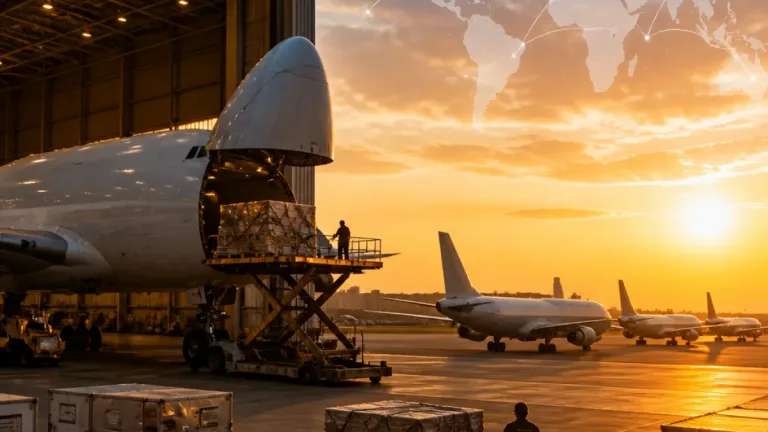
Production of the Boeing 777F has been reported as halted for nearly two months after a dispute over a small but critical wing component disrupted supplies, three Boeing employees told Reuters. The interruption began in August when Boeing filed a complaint alleging that Florida-based supplier Vaero had stopped delivering trailing-edge rib kits used on the wings of both the 777F and the 767.
Assembly line disruption and operational impact
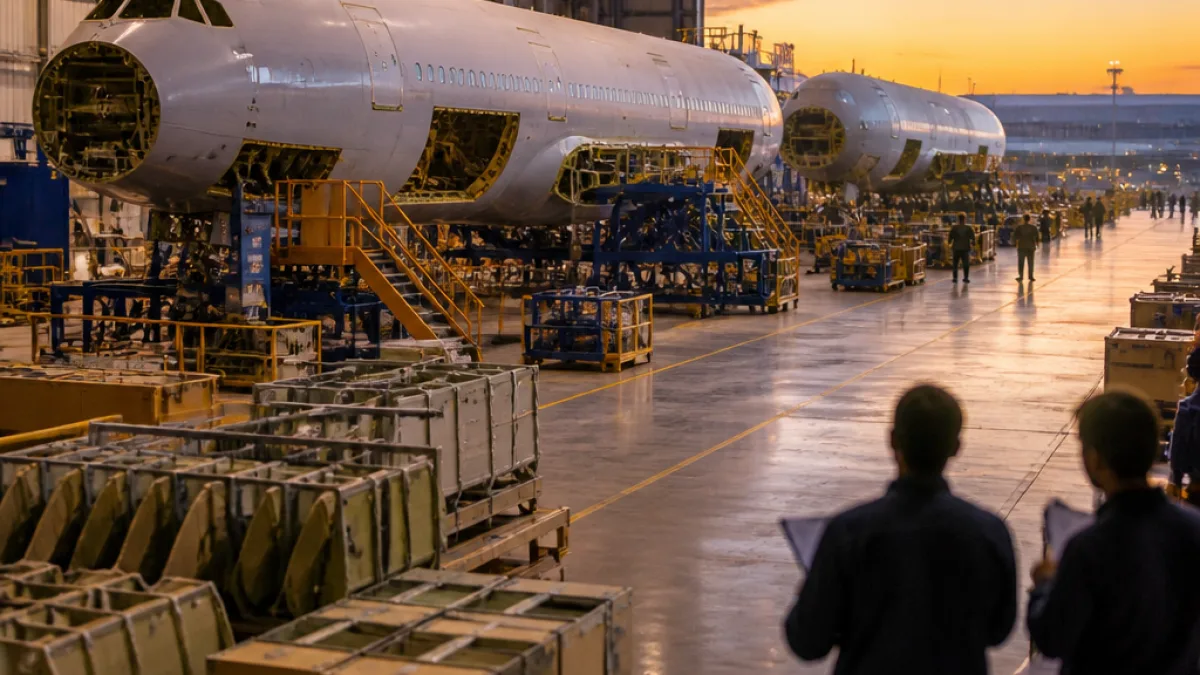
According to the employees, who spoke to Reuters, the shutdown remained in effect on 23 October despite a settlement reached between Boeing and Vaero in late September. Boeing declined to comment on the reported production stoppage. Without the rib kits, Boeing removed two partially assembled 777Fs from the final assembly line in Everett, Washington; one of those airframes has been identified using IBA data as a future FedEx freighter.
Boeing’s court filings named Vaero as the sole supplier of the part and warned that the disruption could cost the company as much as US$6.5 million per day. The dispute has also affected the 767 programme because it uses the same component; some parts have since reached the 767 line while Boeing is working to manufacture the rib kit internally.
Deliveries so far in 2026 and programme context
The interruption comes amid a year in which the 777F maintained a steady delivery rate: Boeing handed over 20 freighters through September and delivered a 21st in October. By comparison, Boeing delivered 35 777s in 2025, with the passenger versions no longer in production and many of last year’s deliveries being freighters.
- Dispute began in August when Boeing alleged Vaero stopped deliveries
- Settlement reached in late September but production had not resumed by 23 October, Reuters reported
- Two partially assembled 777Fs removed from Everett final assembly line; one identified as a future FedEx aircraft
The report noted that the 777X programme is not affected because it uses a different composite wing; the current 777F retains an aluminium wing derived from the 777-200LR. Reuters also said some additional 777Fs could still be delivered before the end of 2026 if their wings had been completed prior to the supplier disruption.
Industry participants and cargo operators will be watching closely: the 777F remains a backbone asset for long-haul freighter capacity, and any prolonged stoppage or parts shortages risk stretching already tight freighter availability and delivery schedules.