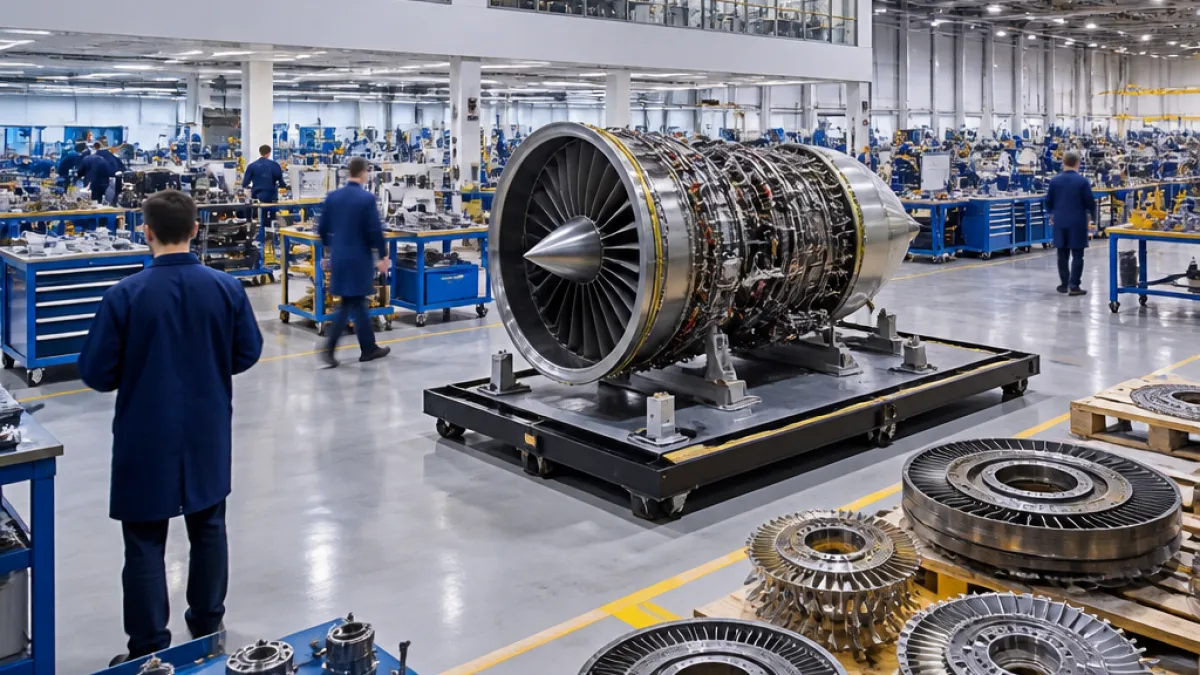
Boom Supersonic has unveiled a $150 million expansion of its factory in Centennial, Colorado, and says the enlarged facility has begun producing parts for the company’s engine turbines. The project, announced on 24 October 2026, could create 500 jobs, the company said.
Production shift brings turbines in-house
The expanded site, described as a 200,000-square-foot facility, has started making components for turbines that Boom says are designed to power its supersonic aircraft. The company also presented the same turbines as suitable for use in artificial intelligence data centres, signalling an intention to position engine manufacture as a revenue stream beyond aviation.
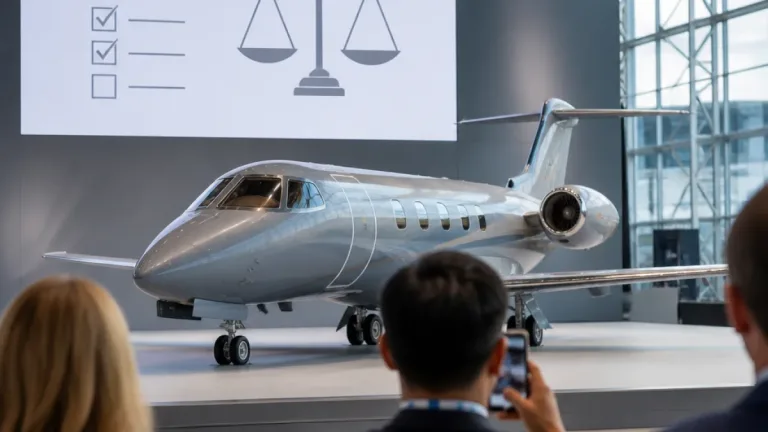
Blake Scholl, Boom Supersonic’s chief executive and founder, appeared at the unveiling of the newly revealed supersonic engine. Company commentary supplied with the announcement highlighted the strategic rationale of folding engine production into the airframe business.
What Boom says and what to watch
- Factory expansion: $150 million investment in Centennial, Colorado.
- Facility size: 200,000 square feet, now producing turbine parts.
- Jobs: the expansion could create up to 500 positions; the headcount was described as a possibility rather than a firm commitment.
- Market positioning: turbines described as applicable to both supersonic aircraft and AI data centres.
Commentary accompanying the announcement framed the move as a way for a supersonic developer to take on engine schedule risk directly while widening potential revenue by selling turbines into non-aviation markets. The statement also noted that engines are typically the longest lead item in new-aircraft programmes, making in-house manufacture a material change to programme risk and supplier strategy.
| item | detail |
|---|---|
| investment | $150 million |
| site | Centennial, Colorado |
| facility size | 200,000 square feet |
| potential jobs | 500 (described as a possibility) |
| product | engine turbine parts for supersonic planes and AI data centres |
The announcement flagged two concrete metrics for observers to track: the $150 million capital figure and the 500-job ceiling. The company’s own commentary made clear that the headcount was a potential maximum, and said the significance of the figure will depend on visible hiring and the ramp-up of the production line at the Centennial site.
Bringing turbine production in-house alters the conventional supplier model for new aircraft programmes. The announcement noted the industrial logic: engines are often the most critical path item in aircraft development, and by building its own turbines Boom assumes that schedule and technical risk directly while simultaneously seeking a second customer base in data-centre operators.
The expansion is a material development for the supersonic start-up sector because it ties airframe progress to an ambitious manufacturing timetable for propulsion — a component that traditionally determines the pace of flight-test and certification programmes.
Further detail on production rates, customer contracts for the turbines outside Boom’s own aircraft programme, and the timeline for hiring at the Centennial factory were not provided in the announcement.