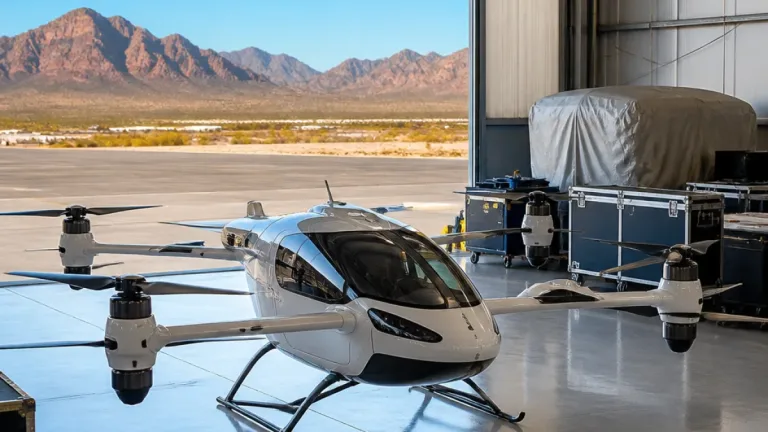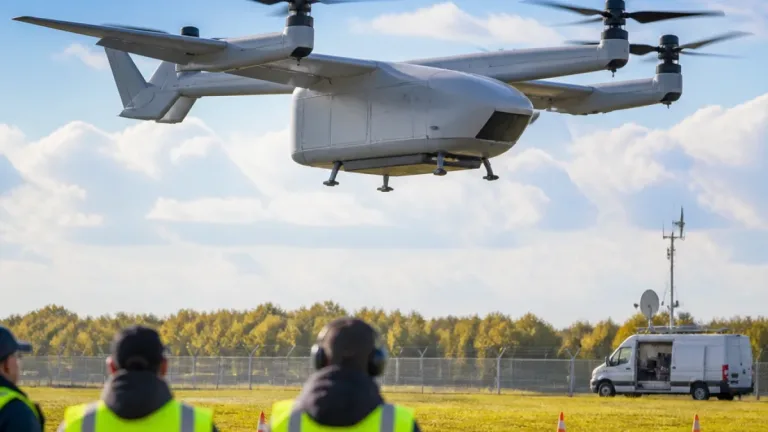
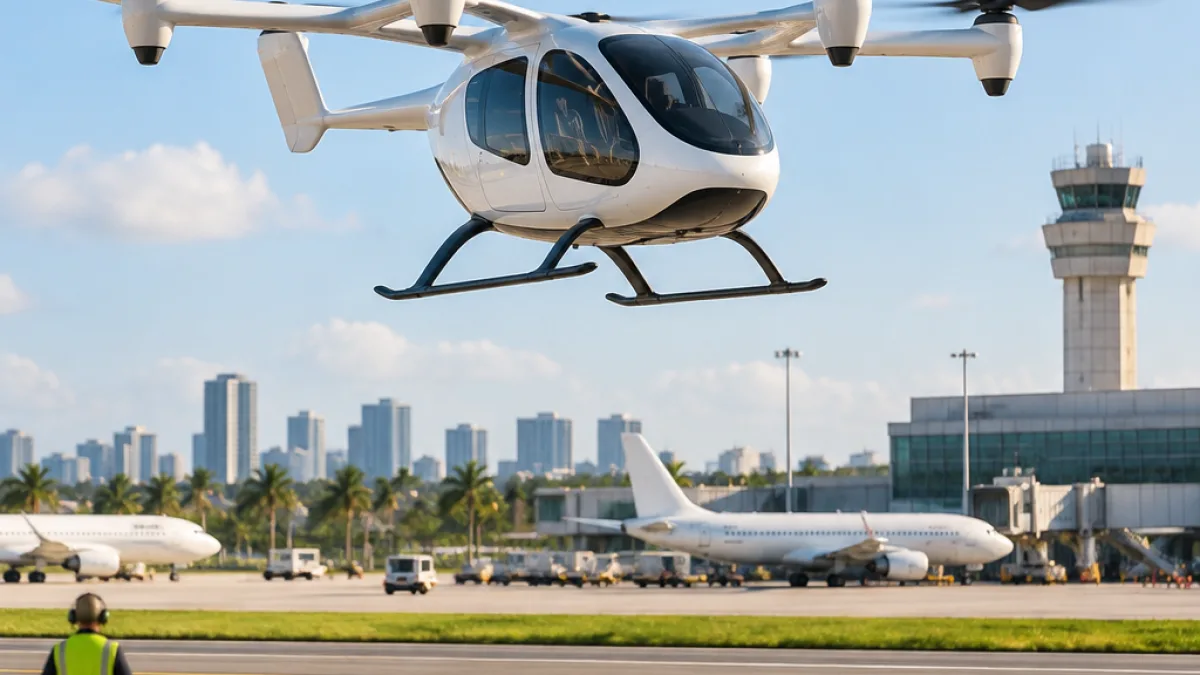
Joby Aviation has begun a week-long programme of piloted electric air taxi flights across Florida, testing how its electric vertical take-off and landing (eVTOL) aircraft could operate between airports and other locations. The campaign is being conducted with the Florida Department of Transportation (FDOT) as the state examines the infrastructure and procedures needed for a future aerial transportation network.
The flights form part of the US government-backed eVTOL Integration Pilot Program (eIPP), which is intended to support real-world trials of advanced air mobility operations before wider deployment. Florida is one of eight states selected for the programme, according to the Federal Aviation Administration (FAA), with public agencies and aircraft developers working together on operational testing.
Historic Tampa Bay route revisited
One of the campaign’s planned operations links St Petersburg with Tampa International Airport. Joby’s aircraft will follow the corridor used by the world’s first scheduled commercial airline service in 1914. The latest demonstration involved Joby’s S4 flying from Albert Whitted Airport to Tampa International Airport, while aircraft from Joby and BETA Technologies took part in the wider activity.
“This morning, history was made in Tampa Bay with Florida’s first Advanced Air Mobility electric aircraft demonstration flights,” Ron DeSantis said.
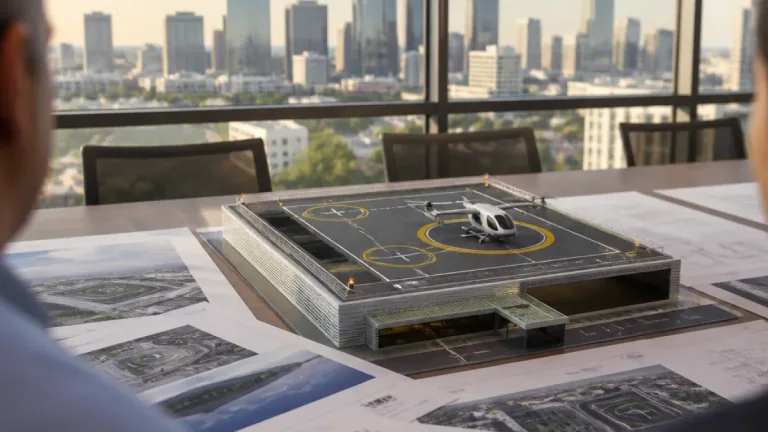
The programme also includes planned activity at Orlando International Airport and Kennedy Space Center. At Orlando, Joby plans to use a vertiport close to Terminal C and the airport’s train station, a location intended to connect any future air taxi operation with existing airport facilities and ground transport.
Testing the practical requirements
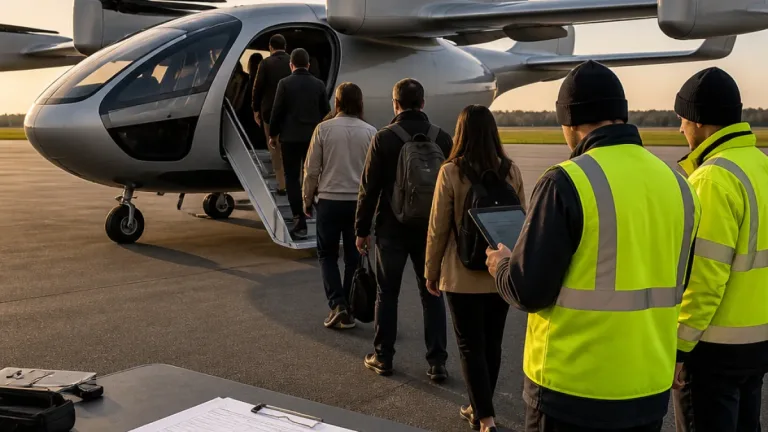
The Florida flights are intended to examine more than the aircraft’s ability to take off and land vertically. The programme is also focused on airport access, coordination with air traffic control and passenger connections, as well as how eVTOL aircraft could share airspace and infrastructure with conventional aircraft while meeting aviation safety requirements.
Joby said it has spent two years working with the FAA, NASA, airport officials and air traffic control teams to develop and simulate operating procedures for the Orlando site. The work is intended to identify the procedures needed for operations at an established airport, rather than demonstrating that a commercial passenger service has already been authorised.
- Aircraft: Joby S4 and aircraft from BETA Technologies
- Florida participants: Joby Aviation and the Florida Department of Transportation
- Demonstration route: Albert Whitted Airport to Tampa International Airport
- Other planned locations: Orlando International Airport and Kennedy Space Center
Florida’s transport authorities are using the trials to gather information for a proposed network of aerial routes across the state. The campaign therefore provides an operational test of how electric aircraft might be incorporated into existing aviation infrastructure, while the regulatory and safety work required for any future passenger service remains part of the wider integration process.
| Operator | Origin | Destination | Status | Aircraft |
|---|---|---|---|---|
| Joby Aviation | Albert Whitted Airport | Tampa International Airport | Demonstration flight completed | Joby S4 |
The Florida campaign is being presented as an advanced air mobility demonstration rather than a launched airline route. Its immediate purpose is to test the requirements for operating eVTOL aircraft in a live aviation environment and to support the development of procedures for possible future services carrying passengers or goods.