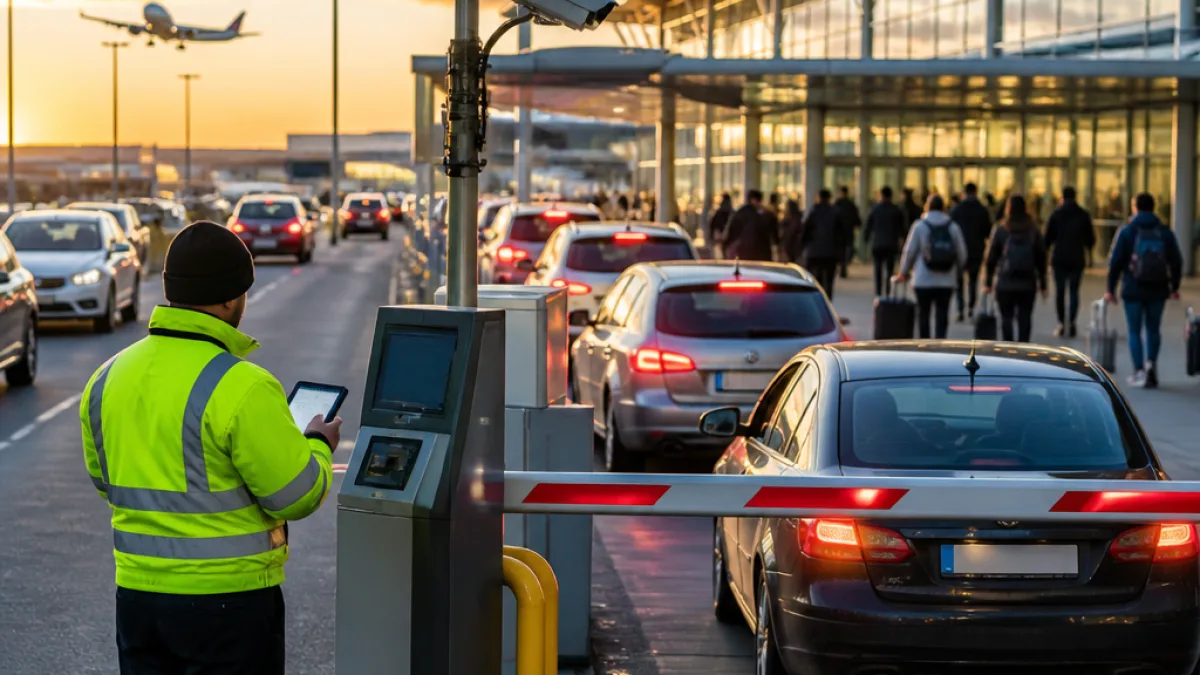
The Department for Transport (DfT) has opened a formal review into airport short-stay drop-off charges after research from the RAC found a sharp rise in fees at the nation’s busiest airports.
What the figures show
RAC analysis indicates that 16 of the UK’s 20 busiest airports increased drop-off charges over the past year. The study found the average short-stay fee has risen by a third since summer 2025, an increase of £1.70 to £7 on average.
Some airports now levy considerably higher sums for brief stops outside terminals. The extracted figures to date include:
- Gatwick – £10 for a 10-minute stop;
- Stansted – £10 for a 15-minute stop;
- Heathrow (London Heathrow (LHR)) – £7 per entry to terminal drop-off areas, with drivers expected to leave immediately after passengers alight;
- Bristol Airport – £8.50 for 10 minutes.
| Airport | Published charge | Allowed time (as reported) |
|---|---|---|
| Gatwick | £10 | 10 minutes |
| Stansted | £10 | 15 minutes |
| London Heathrow (LHR) | £7 | drivers expected to leave immediately |
| Bristol Airport | £8.50 | 10 minutes |
Government and motoring body responses
The DfT said it will examine whether passengers are being treated fairly and assess the impact of the charges on people travelling to airports. The department also urged restraint in further hikes, particularly in locations where public transport alternatives are limited.
“It is vital to ensure travel remains accessible and that passengers are treated fairly.” — Department for Transport spokesperson
The announcement was welcomed by the RAC, which has repeatedly criticised rising short-stay charges. Rod Dennis, senior policy officer at the RAC, said the review would be “music to the ears of drivers” and reiterated drivers’ frustration, pointing to the contrast with many major overseas airports that permit free drop-offs.
Implications for airports and passengers
Airports argue that drop-off fees form part of measures to manage traffic and congestion outside terminals and to encourage public transport use. The DfT review will examine those operational justifications alongside concerns about affordability and access. The RAC’s research and the department’s response put pricing and surface access squarely on the agenda for airports and local authorities that set or influence surface access policy.
The review does not yet set out a timetable or the form any intervention might take. Airports named in the RAC study have defended their charges on congestion-management grounds; the DfT’s exercise will assess whether the current arrangements are proportionate and whether passengers are being treated fairly.
The sector will be watching for the DfT’s next steps, given the potential consequences for airport revenue lines, car-park demand and local transport planning.