
Rolls-Royce and the UK Government have outlined a proposed £2.5 billion research and technology programme aimed at developing next-generation gas turbine technologies for civil and defence aerospace. The initiative, announced alongside the UK Budget on 28 October, is intended to form the basis of a wider, multi-decade cooperation agreement.
For the civil aviation sector, the programme is focused on securing a UK engine position on future narrowbody aircraft. The Government described that opportunity as the aerospace sector’s biggest over the next 50 years, but stressed that any future public support remains conditional on agreement over the terms and on government approvals, including affordability, value-for-money and subsidy-control checks.
Engine programme remains subject to aircraft selection
No new grants have been awarded at this stage. The longer-term industrial benefits described by Rolls-Royce also depend on aircraft manufacturers selecting its narrowbody technologies. Engine partners are expected to be chosen over the next few years, ahead of possible aircraft launches around the turn of the decade and potential entry into service in the mid-to-late 2030s.
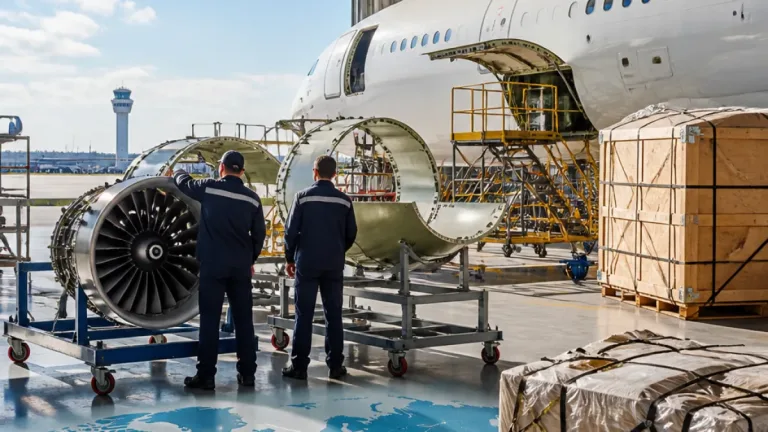
Rolls-Royce intends to return to the narrowbody market through a partnership. If its technologies are selected, the company says it plans to establish new UK engine assembly and testing facilities and increase production of advanced components, including turbine blades and composite fan blades. Further facilities would also be required among its UK supply-chain partners.
| Element | Detail |
|---|---|
| Proposed programme | £2.5 billion |
| Technology focus | Next-generation gas turbines |
| Initial employment expectation | 3,300 UK jobs by the end of 2029 |
| Potential aircraft market | Future narrowbody aircraft |
| Possible entry into service | Mid-to-late 2030s |
Jobs and supply-chain investment
The initial stages of the plan, subject to final agreement, are expected to support 3,300 jobs at Rolls-Royce and among supply-chain partners by the end of 2029. Rolls-Royce and the Government are expected to develop a jobs and skills plan, while universities are also expected to be involved in the research effort.
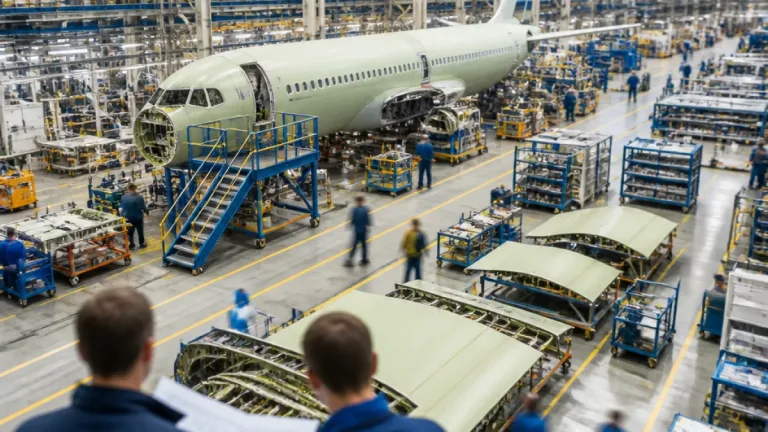
The proposed manufacturing expansion would extend beyond engine assembly. Rolls-Royce’s plans include additional UK capacity for testing and for high-technology components, while suppliers would need to consider investment in equipment, facilities and workforce development during the period before a future aircraft programme is confirmed.
- The programme is proposed rather than an awarded grant scheme.
- New factories depend on Rolls-Royce winning a position on a future aircraft programme.
- The eventual production scale will depend on the aircraft programme ultimately secured.
The arrangement therefore links public-sector support, research capability and industrial investment to a commercial decision that has yet to be made by aircraft manufacturers. The proposed cooperation provides a framework for preparing technology, skills and supply capacity, but the scale of any future UK engine manufacturing operation will not be established until Rolls-Royce secures a role on a narrowbody programme.