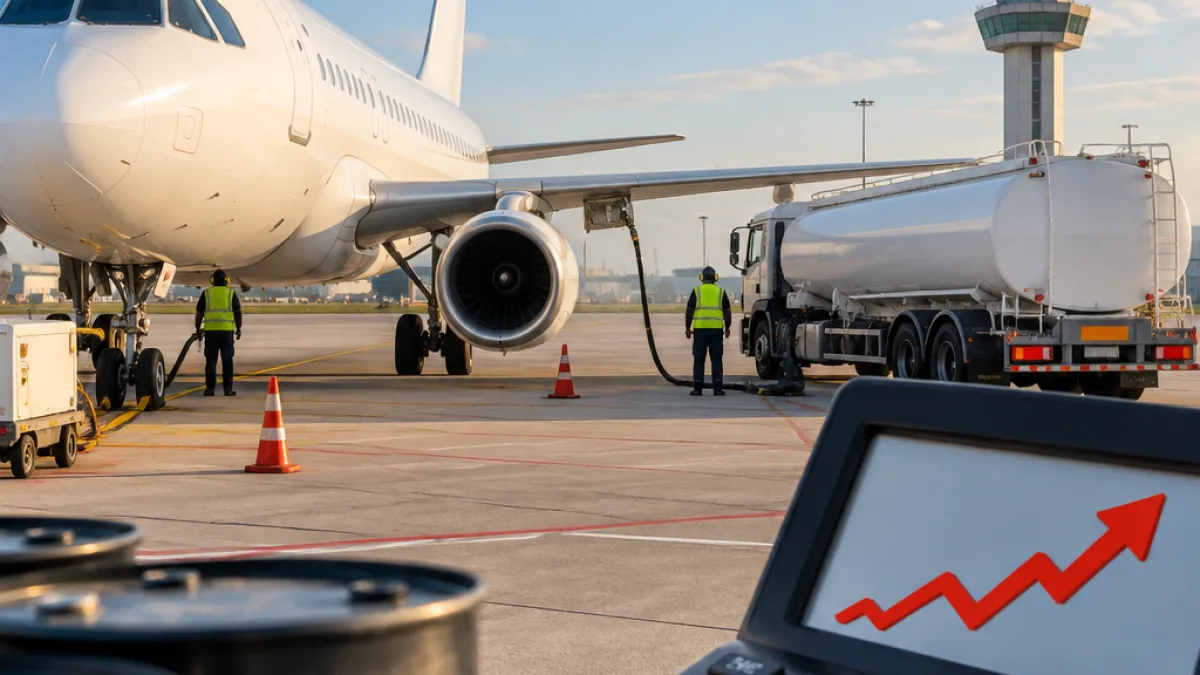
Ryanair is examining its full cost base and may ask staff to accept temporary pay freezes as higher jet fuel prices threaten to add an estimated €2 billion to its fuel bill for the financial year ending in March 2028.
The Irish low-cost carrier disclosed the review on Monday 2 November 2026 after reporting a 6% decline in net profit for its July-to-September quarter. The result was in line with analysts’ expectations, but the airline said the current fuel outlook would require action beyond fare increases.
Ryanair expects short-haul airfares to rise materially next year. However, based on current forward prices, the airline does not expect higher fares to fully absorb the projected increase in fuel expenditure. Average fares fell by 2% year on year in the second quarter, which ended in September, although they were modestly ahead of the equivalent period a year earlier in the current quarter.
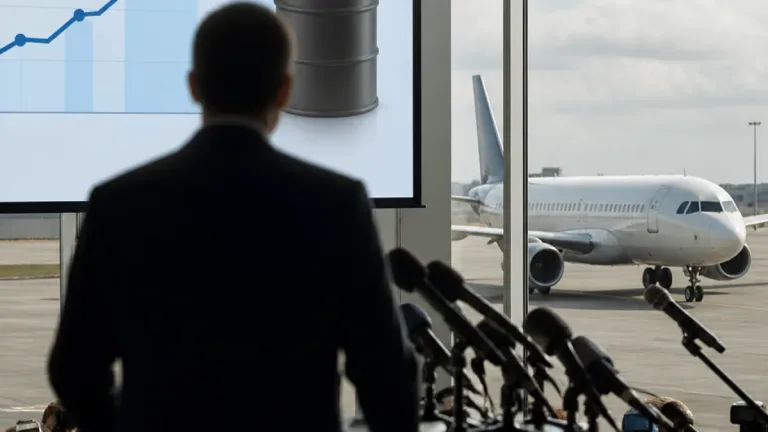
“Unless there is a swift resolution of the Middle East conflict, we expect jet fuel prices to remain elevated well into 2027,” Ryanair chief executive Michael O’Leary said in a statement.
Hedging cover reduces near-term exposure
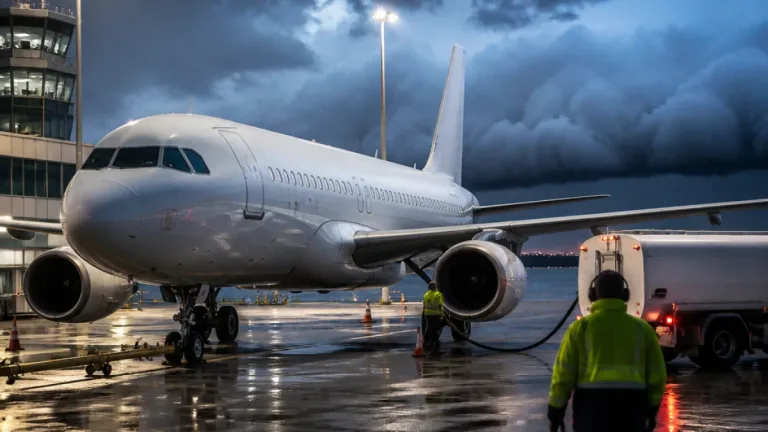
Ryanair remains among Europe’s best-hedged airlines, but its protection decreases further into the forecast period. The company said its fuel requirements through March 2027 were 80% hedged at $67 a barrel. For the following 12 months, it has increased the proportion covered to 25% at $95 a barrel, compared with 15% at an average of $85 a barrel at the end of June.
| Period | Fuel requirement hedged | Hedged price |
|---|---|---|
| Through March 2027 | 80% | $67 a barrel |
| Following 12 months | 25% | $95 a barrel |
The lower level of cover after March 2027 means a greater share of Ryanair’s fuel requirement will be exposed to market prices during the following financial year. The airline’s estimate of a €2 billion increase is based on current forward prices rather than a fixed future cost.
Cost measures under review
Alongside possible temporary pay freezes, Ryanair identified several areas where it could seek savings. These include negotiations with airports, lower crewing ratios and greater use of artificial intelligence in back-office operations. The airline said it was reviewing all costs rather than relying solely on increased fares.
- Temporary pay freezes may be requested from staff.
- Ryanair is considering negotiations with airports to reduce costs.
- Lower crewing ratios and increased use of artificial intelligence in back-office work are also under review.
Ryanair reported an after-tax profit of €1.61 billion for the July-to-September quarter, the period in which it typically records most of its profit because it captures much of the northern hemisphere’s peak summer holiday season. The result was consistent with the company’s poll of analysts.
The cost review comes as the airline balances weaker recent fares with an expectation of higher prices next year. Its hedging position provides substantial cover through March 2027, while the reduced cover for the subsequent 12 months leaves the financial year ending in March 2028 more exposed to the fuel market.